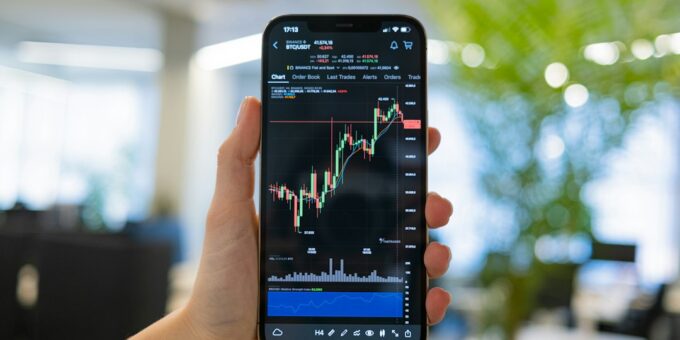
The modern stock market has undergone a seismic shift in recent decades. What was once a domain dominated by floor traders shouting orders and investors staring at ticker tapes has transformed into a high-speed digital arena driven by code. For the average investor, this evolution brings both opportunities and challenges. The question is no longer just how to buy and sell shares, but how to navigate an ecosystem where speed and precision often dictate outcomes. Understanding the mechanics behind these automated processes is essential for anyone hoping to participate effectively in today’s financial landscape.
The Rise of Algorithmic Trading
At the heart of this transformation lies algorithmic trading, or “algo” trading. This approach uses sophisticated computer programs to execute trades based on a predefined set of instructions. Unlike human traders who rely on intuition, experience, and sometimes fear or greed, algorithms operate strictly on logic and data. These systems can analyze vast amounts of information in milliseconds, identifying patterns and executing trades that a human eye would never notice.
The popularity of algo trading has grown exponentially because it removes human emotion from the equation. In a volatile market, panic selling or euphoric buying can lead to significant losses. An algorithm, however, sticks to its strategy regardless of market noise. This discipline allows for a level of consistency that is difficult to maintain manually. Furthermore, algorithms can monitor multiple markets simultaneously, ensuring that an investor’s portfolio remains balanced and aligned with their long-term goals without constant manual intervention.
How Algorithms Actually Work
To understand the impact of these systems, one must look at their core mechanisms. Most trading algorithms rely on two primary inputs: quantitative data and specific rules. Quantitative data includes historical price movements, volume trends, economic indicators, and even news sentiment. The rules are the investor’s strategy translated into code. For example, a rule might state: “Buy stock X when the price drops 5% below its 50-day moving average and sell when it reaches a 20% gain.”
Once these parameters are set, the algorithm continuously scans the market. When conditions match the rules, the trade is executed instantly. This speed is crucial in high-frequency trading environments where price changes occur in fractions of a second. While high-frequency trading is a specialized subset often dominated by institutional players, retail investors can access similar, albeit slower, automated strategies through modern brokerage platforms.
Benefits of Automation for the Individual Investor
While high-frequency trading remains the domain of large institutions, the principle of automation is increasingly accessible to everyday investors. The benefits of adopting an automated approach extend beyond just executing trades more quickly. The primary advantage is the elimination of behavioral biases. Human psychology is a well-documented weakness in investing; studies consistently show that fear and greed are the two biggest predictors of underperformance. Automation acts as a guardrail, enforcing a plan that has been thoughtfully constructed rather than impulsive reactions.
Another significant benefit is time efficiency. Managing a diversified portfolio across various asset classes requires constant monitoring. Most people have other responsibilities in their lives that make daily market watching impractical. Automated systems allow investors to set their strategy once and let it run, freeing them to focus on other aspects of their financial planning or personal lives. This “set it and forget it” mentality, when applied correctly, can reduce stress and improve long-term adherence to a sound investment plan.
Consistency is also a key factor. Humans are prone to inconsistency; we might stick to our plan during a downturn but abandon it when markets rally. Algorithms do not get tired, distracted, or excited. They execute every trade exactly as programmed, ensuring that the strategy is applied uniformly over time. This discipline is often the difference between a successful investment journey and one plagued by second-guessing and erratic decision-making.
The Tools and Platforms Available
For those interested in leveraging automation, a variety of tools and platforms are available, ranging from simple recurring investment plans to complex custom coding environments. Many modern brokerage firms now offer “fractional share investing” combined with automatic recurring purchases. This allows investors to automatically buy a specific dollar amount of a stock or ETF every month, regardless of the price. This is a form of dollar-cost averaging, a strategy that buys more shares when prices are low and fewer when they are high, smoothing out the entry price over time.
For investors with more technical inclinations, platforms like MetaTrader, TradingView, and various API-enabled brokerages offer the ability to build custom strategies. These platforms often provide coding languages like Pine Script or Python, allowing users to create their own algorithms based on technical indicators, fundamental data, or proprietary strategies. This level of customization empowers investors to tailor their automation to their specific risk tolerance and financial goals, rather than relying solely on pre-packaged solutions.
It is important to note that while these tools are powerful, they require an initial investment of time and knowledge. Understanding the logic behind the algorithm is just as important as the execution. A poorly designed strategy, no matter how automated, will still lead to poor results. Therefore, the focus should always remain on the quality of the underlying strategy rather than the sophistication of the execution tool.
Risks and Limitations to Consider
While automation offers significant advantages, it is not a magic bullet. Relying entirely on automated systems introduces its own set of risks that investors must carefully evaluate. The first and most obvious risk is technical failure. Automated systems depend on internet connectivity, stable server performance, and up-to-date software. A power outage, a server crash, or a momentary loss of connection could prevent trades from being executed during critical market movements. While modern platforms have robust fail-safes, the possibility of technical glitches cannot be entirely eliminated.
Furthermore, algorithms are only as good as the data they are fed and the logic they are programmed with. If an algorithm is based on flawed assumptions or fails to account for a sudden change in market dynamics, it can result in significant losses. For instance, an algorithm designed to buy during a market dip might interpret a flash crash as a buying opportunity and execute trades at prices that never recover. This highlights the importance of having robust risk management rules built into any automated system, such as stop-loss orders or circuit breakers that halt trading under extreme conditions.
Another limitation is the inability of algorithms to understand context. A computer program can analyze a drop in a stock’s price, but it may not understand the broader geopolitical event causing that drop. While natural language processing and sentiment analysis are improving, machines still struggle with the nuanced interpretation of news and unforeseen global events. Human oversight remains valuable to ensure that the automated system is aligned with the current macroeconomic environment.
Building a Hybrid Approach
The most prudent path for most investors is likely a hybrid approach that combines the efficiency of automation with the oversight of human judgment. This method involves using automated tools for the execution of a well-researched strategy while retaining the ability to intervene when necessary. For example, an investor might use an automated system to handle their daily contributions to a diversified index fund portfolio. However, they might also review their holdings quarterly to ensure their asset allocation remains appropriate for their changing life circumstances.
In this model, automation handles the boring, repetitive, and emotionally difficult parts of investing—like sticking to the plan during a correction. The human element is reserved for strategic adjustments, such as rebalancing the portfolio, changing long-term goals, or responding to major shifts in the economic landscape. This balance allows investors to benefit from the discipline of machines without ceding all control to them.
Developing this hybrid mindset requires patience and a willingness to learn. It involves understanding the limitations of the tools you use and recognizing when to trust the data versus when to trust your own judgment. By blending technology with traditional wisdom, investors can create a resilient system that is capable of weathering both market turbulence and technological uncertainties.
Preparing for the Future
As technology continues to advance, the role of automation in the stock market will only expand. Artificial intelligence, machine learning, and advanced data analytics are becoming standard features in trading platforms. For the individual investor, staying informed about these developments is crucial. Embracing these tools does not mean becoming a coder; it means becoming a savvy user of technology that can enhance financial outcomes.
The key is to approach automation with a critical eye. Just as one would not invest in a company without researching its fundamentals, one should not rely on a trading bot without understanding its strategy. Education is the best defense against the pitfalls of over-reliance on technology. By taking the time to understand how these systems work, their limitations, and their potential benefits, investors can harness the power of automation to build wealth more effectively and with greater peace of mind.
In conclusion, the shift toward automated trading represents a fundamental change in how we interact with the financial markets. It offers a path to greater discipline, efficiency, and consistency, provided it is approached with caution and understanding. By integrating automated tools into a broader, well-thought-out financial plan, investors can navigate the complexities of the modern market with confidence. The goal is not to replace human intuition with code, but to use code to reinforce sound financial principles, creating a system that works in harmony with human goals and capabilities.
