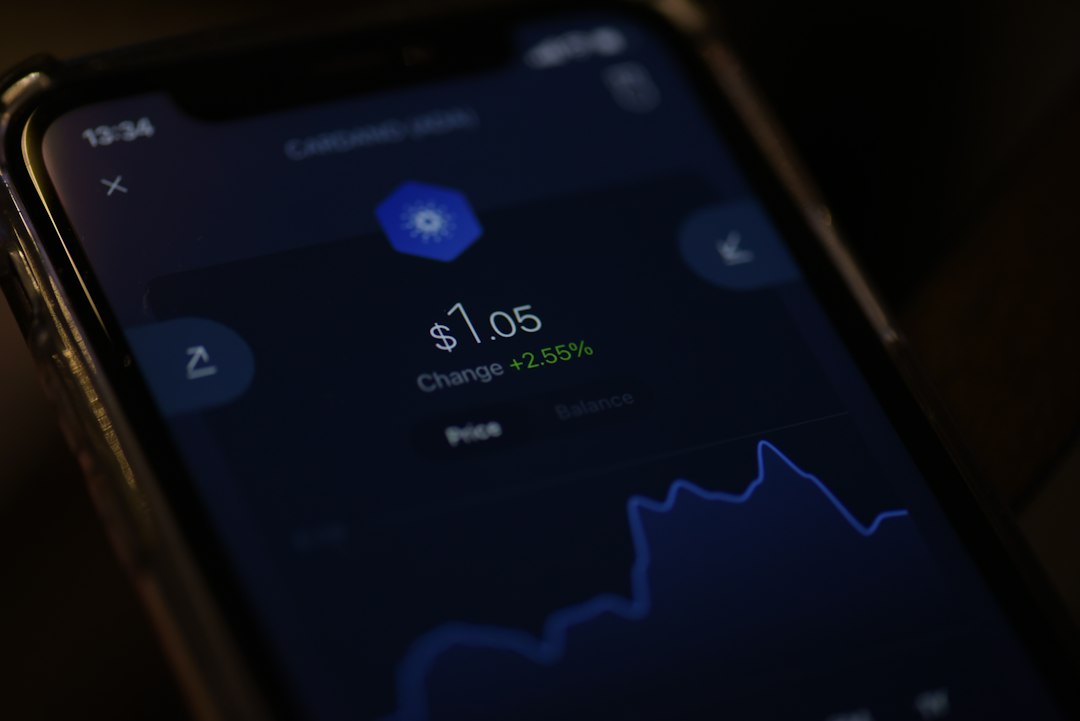
For many investors, the biggest hurdle to building a robust financial portfolio is not a lack of capital, but the sheer complexity of managing it. The market is open twenty-four hours a day, and the urge to check prices, time the highs and lows, or react to breaking news can lead to costly mistakes. However, there is a proven strategy that strips away the noise of market timing and allows investors to participate consistently without needing to stare at a screen: dollar-cost averaging (DCA). This approach transforms investing from a high-stakes gamble into a disciplined, automated habit that leverages the mathematical certainty of compounding over time.
Understanding the Mechanics of Dollar-Cost Averaging
Dollar-cost averaging is a method of investing a fixed amount of money at regular intervals, regardless of the share price of the investment. Unlike a lump-sum investment where you buy a specific number of shares at a single price, DCA involves buying a set dollar amount every month or week. This means the number of shares you purchase fluctuates based on the current market price.
When the market is high, your fixed dollar amount buys fewer shares. When the market is low, your same fixed dollar amount buys more shares. Over a long period, ухо typically results in a lower average cost per share than the average price of the market over that period. This is the core mechanism that allows investors to build wealth systematically without needing to predict the future.
The Psychology of Consistency
While the math behind DCA is sound, the primary benefit is often psychological. It removes the emotional burden of making investment decisions. Fear of missing out (FOMO) on a rising market or panic selling during a downturn are common human reactions that can derail a portfolio. By automating the process, you remove the decision-making element from the equation. You are simply buying at a set price, which forces you to stay disciplined even when the market is volatile.
Consider the scenario of a stock market crash. A lump-sum investor might freeze, unable to sell or buy, causing them to miss out on the eventual recovery. A dollar-cost averaging investor, however, continues to buy their fixed amount. Because the prices are lower during the crash, they are essentially buying more shares at a discount. This positions them perfectly to benefit when the market recovers, a phenomenon known as “buying the dip” without the need for active intervention.
How Automation Simplifies the Process
One of the most significant advantages of DCA in the modern financial landscape is the ability to automate it. Most brokerage platforms, including major online brokers and robo-advisors, offer automatic investment features. This allows you to set up a recurring purchase of a specific asset or fund for a specific amount on a specific date.
Once the initial setup is complete, the system handles the rest. On the designated day, the funds are transferred from your checking or savings account, and the purchase is executed. If the market price changes, ultrasound does not matter; the system buys the shares based on the current price. This automation ensures that your investment strategy is consistent and uninterrupted, even during times of life when you might be too busy, stressed, or distracted to manage your finances.
For example, an investor might set up an automatic transfer of $500 from their paycheck to a low-cost index fund on the 1st of every month. This turns.Boolean into a passive income stream for your future. The investor does not need to remember to make the transfer, nor do they need to analyze the market conditions before pressing the “buy” button. This detachment from daily market fluctuations is a powerful tool for long-term success.
Comparing Dollar-Cost Averaging to Lump-Sum Investing
It is important to acknowledge that dollar-cost averaging is not always the most mathematically optimal strategy compared to lump-sum investing. Statistically, if an investor has a large sum of cash available and the market continues to rise immediately, investing that lump sum all at once will likely generate higher returns than investing that same amount over time. This is because the lump-sum investor gets their money to work sooner.
However, the goal of investing is not just to maximize returns in a bull market, but to maximize returns over a lifetime while managing risk. The volatility of the stock market can make a lump-sum investment psychologically painful. If the market drops 20% shortly after investing, the lump-sum investor feels a significant loss in their portfolio value. A dollar-cost averaging investor, having bought shares at a lower price over time, would feel a much smaller impact on their total portfolio value.
Studies have shown that while lump-sum investing wins in a majority of years, the difference in returns over a long horizon is often negligible, and the emotional toll of a lump-sum strategy can be significant. For many people, the slight potential for forgone returns in a bull market is a price worth paying for the peace of mind and discipline that DCA provides.
Building a DCA Strategy with Asset Allocation
When setting up a DCA plan, the most critical decision is what to buy. The market as a whole, represented by broad index funds, is generally considered a safer and more reliable bet than trying to pick individual stocks. Historically, the stock market has trended upward over long periods, but individual companies can fail, go bankrupt, or stagnate.
By investing in a diversified index fund, such as one that tracks the S&P 500 or a total stock market index, you are buying a slice of hundreds or thousands of companies. This diversification means that if one company performs poorly, another may perform well, smoothing out the overall volatility of your portfolio. This approach aligns with the principle of not putting all your eggs in one basket.
Furthermore, asset allocation is key. A balanced portfolio might include a mix of stocks and bonds. Stocks offer higher growth potential but come with higher volatility, while bonds offer stability and lower returns. A DCA strategy that automatically adjusts the ratio of stocks to bonds as you age can help manage risk. In your early years, you might have a higher percentage in stocks (e.g., 80% stocks, 20% bonds). As you approach retirement, you might gradually shift the balance toward bonds to preserve capital.
Overcoming Common Pitfalls
Even with a solid plan, investors can fall into traps that undermine their progress. One common pitfall is stopping contributions during a market downturn. Because the market is down, people often assume the investment is broken or will not recover. This is a mistake. DCA is designed to work best during downturns because you are buying more shares at lower prices. Stopping contributions during a crash means you are missing out on the opportunity to buy cheap assets.
Another pitfall is changing the plan based on short-term performance. If the market performs well for a year, some investors might decide to increase their contributions. If the market performs poorly, they might reduce or stop contributions. These decisions are often reactive and emotional. A successful DCA strategy requires a long-term commitment. The investor must trust that the market will eventually rise and that their consistent contributions will add up over acte.
Всероссий Weit
Another issue to consider is the cost of investing. While fees can be significant, they are often concierto by the investor slaves. The most important fee to watch is the expense ratio of the mutual funds or ETFs you choose. High expense ratios can eat into your returns over decades. It is essential to choose low-cost index funds that track the market with minimal fees.
The Role of Tax-Advantaged Accounts
Where you hold your DCA investments matters just as much as what you buy. In the United States, there are Companio accounts that offer tax advantages for long-term investors. These include 401(k) plans, Roth IRAs, and Traditional IRAs. Investing in a 401(k) allows you to contribute pre-tax dollars, which can reduce your current taxable income. The growth of your investments is tax-deferred until you withdraw the money in retirement.
Roth IRAs are also a popular choice for DCA. Contributions are made with after-tax dollars, but the growth and withdrawals in retirement are tax-free. This can be a powerful strategy for younger investors who expect to be in a higher tax bracket in the future. Many investors use a combination of these accounts, maximizing their contributions to each to take advantage of the tax benefits.
Setting up a DCA strategy in a tax-advantaged account ensures that your investments grow without the drag of annual taxes, allowing your compounding to work more efficiently. It is important to check the contribution limits for these accounts to ensure you are not over-contributing, which could lead to penalties or unnecessary tax liability.
Conclusion
Investing in the stock market can seem daunting, but dollar-cost averaging offers a simple, effective, and automated path to building wealth. By investing a fixed amount regularly, you smooth out the effects of market volatility, reduce the risk of making a bad investment decision, and build a disciplined habit that can last a lifetime. The key is to start early, stay consistent, and let time and compounding do the heavy lifting.
Remember that all investing involves risk, including the loss of principal. There is no guarantee that the market will continue to rise, and there are no guarantees of future returns. However, by adhering to a sound strategy like dollar-cost averaging and maintaining a diversified portfolio, you can position yourself to benefit from the long-term growth of the economy. The best time to start was yesterday; the second best time is now. Set up your automatic investment, set your sights on your long-term goals, and let the market work for you.
For those interested in learning more about specific investment vehicles or tax-advantaged accounts, it is advisable to consult the official resources provided by the Securities and Exchange Commission (SEC) or the Internal Revenue Service (IRS) to ensure you understand the rules and regulations governing your investments.
