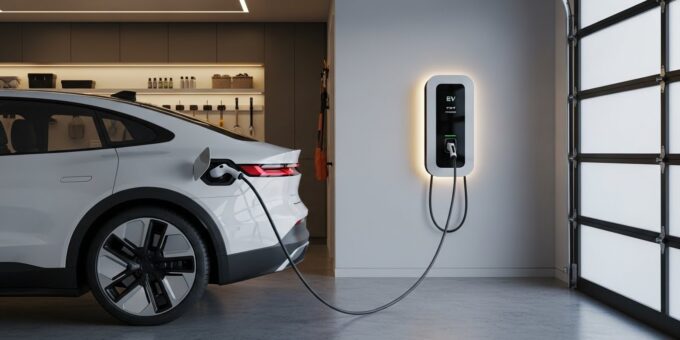
How Electric Vehicle Charging Works: Costs, Time & Home Setup Explained is one of the most searched topics as EV adoption accelerates worldwide. Whether you are planning to buy your first electric car or already own one, understanding charging basics can save you money, time, and stress.
This complete guide explains how EV charging works, how much it costs, how long it takes, and how to set up home charging. We also cover smart strategies to reduce charging expenses and maximize convenience.
Understanding How Electric Vehicle Charging Works
Electric vehicle charging is the process of transferring electrical energy from a power source to your car’s battery. Unlike gasoline vehicles, EVs rely entirely on electricity stored in high-capacity batteries.
The charging process involves three key components:
- The power source (grid or renewable energy)
- The charging equipment
- The EV’s onboard charger
The onboard charger converts AC electricity into DC power that the battery can store. Fast chargers bypass this step to deliver DC power directly.
Types of Electric Vehicle Charging Levels
Level 1 Charging (Standard Wall Outlet)
Level 1 charging uses a regular household 120V outlet. It is the slowest charging option and typically adds 3–5 miles of range per hour.
This method is best for:
- Plug-in hybrids
- Low daily driving needs
- Overnight charging
While affordable, Level 1 charging is not ideal for long-term EV owners.
Level 2 Charging (Home and Public Chargers)
Level 2 charging uses a 240V outlet, similar to a dryer socket. It delivers 20–60 miles of range per hour, depending on the charger and vehicle.
Most home EV owners choose Level 2 charging due to its balance of speed and cost. Public charging stations commonly use this level as well.
DC Fast Charging (Rapid Charging)
DC fast chargers provide direct current to the battery, enabling rapid charging. These chargers can add 80% charge in 20–40 minutes.
DC fast charging is ideal for road trips but costs more than home charging.
How Long Does Electric Vehicle Charging Take?
Charging time depends on several factors:
- Battery size
- Charging level
- Current battery percentage
- Vehicle charging capacity
Estimated charging times:
- Level 1: 20–40 hours for full charge
- Level 2: 4–10 hours for full charge
- DC Fast Charging: 20–60 minutes to 80%
For daily use, overnight Level 2 charging is more than sufficient.
Electric Vehicle Charging Costs Explained
Charging an EV is generally cheaper than fueling a gasoline car. Costs vary based on electricity rates and charging location.
Home Charging Costs
Home charging costs depend on your electricity rate. On average:
- Cost per kWh: $0.10–$0.25
- Full charge: $8–$15
- Cost per mile: $0.03–$0.06
Charging at home is the most affordable option.
Public Charging Costs
Public chargers may charge per kWh, per minute, or per session. Typical costs include:
- Level 2 public charging: $1–$3 per hour
- DC fast charging: $0.30–$0.60 per kWh
Fast charging is convenient but should not replace home charging for daily use.
How to Set Up Home EV Charging
Setting up home EV charging is simpler than many people expect.
Step 1: Check Electrical Capacity
An electrician will assess your electrical panel. Some homes may need a panel upgrade.
Step 2: Choose the Right Charger
Most EV owners select a Level 2 charger with smart features such as scheduling and energy monitoring.
Step 3: Professional Installation
Professional installation ensures safety and compliance with local codes. Installation costs range from $500 to $2,000.
Smart Ways to Reduce EV Charging Costs
You can significantly lower charging costs with smart strategies.
- Charge during off-peak hours
- Use solar panels if available
- Take advantage of utility rebates
- Limit DC fast charging
These methods help EV ownership remain affordable.
EV Charging and the Future of Smart Energy
Electric vehicle charging is becoming part of a broader smart energy ecosystem. Many homeowners combine EV charging with solar energy and battery storage.
Interestingly, some EV owners view home charging infrastructure as part of a broader online business strategy. For example, charging data, smart energy monitoring, and automation tools align with trends seen in affiliate marketing and tech-driven revenue models.
Just like building passive income streams, optimizing EV charging requires upfront planning for long-term savings.
EV Charging vs Traditional Fuel Costs
Compared to gasoline vehicles, EVs offer predictable energy costs and lower maintenance expenses.
This cost efficiency mirrors comparisons often made between affiliate vs dropshipping models. Both EV ownership and digital ventures like a dropshipping business focus on efficiency, scalability, and reduced long-term costs.
Understanding energy consumption allows EV owners to control expenses more effectively.
Is Home EV Charging Worth It?
For most drivers, home EV charging is absolutely worth it. It provides:
- Maximum convenience
- Lowest charging costs
- Consistent overnight charging
Home charging also increases property value and future-proofs your home.
Final Thoughts on How Electric Vehicle Charging Works
How Electric Vehicle Charging Works: Costs, Time & Home Setup Explained shows that EV charging is simpler, cheaper, and more flexible than many people assume.
With proper planning, EV charging becomes a seamless part of daily life. Understanding charging levels, costs, and home setup ensures a smooth transition to electric driving.
As electric vehicles continue to grow, mastering charging basics today prepares you for a cleaner, smarter, and more cost-efficient future.
