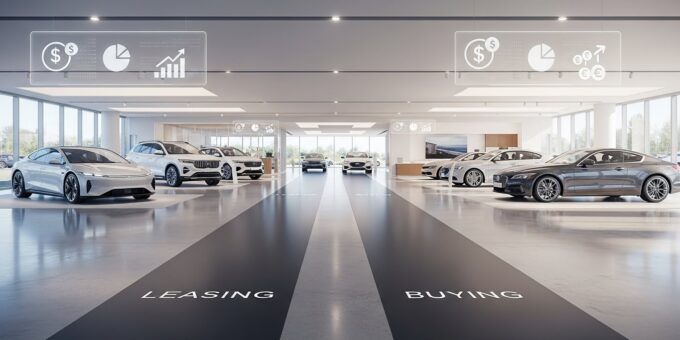
Choosing between car leasing vs buying in 2026 is one of the most important financial decisions drivers will make this year. With higher vehicle prices, changing interest rates, and rapid advances in electric and connected cars, the traditional rules no longer apply. What saved money five years ago may not work today.
This in-depth guide compares leasing and buying from every angle—monthly costs, long-term value, flexibility, taxes, and lifestyle needs—so you can decide which option truly saves you more money in 2026.
Understanding the Basics of Car Leasing vs Buying
What Does It Mean to Lease a Car?
Leasing a car means paying for the use of a vehicle over a fixed term, usually 24 to 36 months. You do not own the car. Instead, you return it at the end of the lease or buy it at a pre-set price.
In the car leasing vs buying in 2026 debate, leasing often appeals to drivers who want lower monthly payments and frequent upgrades.
What Does It Mean to Buy a Car?
Buying a car means you own it outright, either after paying cash or completing loan payments. Once the loan ends, the car is yours with no monthly obligation.
Ownership provides long-term value and flexibility, which can outweigh higher upfront costs.
Monthly Payments: Leasing vs Buying in 2026
Monthly payments are often the first comparison people make when evaluating car leasing vs buying in 2026.
Why Leasing Payments Are Lower
Lease payments are based on depreciation, not the full vehicle price. You only pay for the value the car loses during the lease period.
This structure makes leasing attractive if you want predictable and lower monthly costs.
Why Buying Costs More Per Month
When you buy, you pay for the full value of the car plus interest. Even with longer loan terms, monthly payments are usually higher than leasing.
However, payments eventually end, which changes the long-term math.
Total Cost Over Time: The Real Money Comparison
The key to deciding car leasing vs buying in 2026 is understanding the total cost over time.
Long-Term Cost of Leasing
Leasing repeatedly means continuous payments. Over ten years, you may spend more leasing multiple vehicles than buying one and keeping it.
Leasing is similar to renting an apartment—you gain convenience, but no asset.
Long-Term Cost of Buying
Buying typically costs less over the long term, especially if you keep the car after it is paid off. Years without monthly payments represent real savings.
This is where buying often wins the financial comparison.
Depreciation and Resale Value in 2026
Depreciation remains the biggest hidden cost in the car leasing vs buying in 2026 decision.
How Leasing Handles Depreciation
Leasing protects you from unexpected depreciation. If resale values drop due to technology shifts or market changes, the leasing company absorbs the loss.
How Buying Handles Depreciation
When you buy, depreciation is your responsibility. However, strong resale markets and proper maintenance can offset much of this cost.
Maintenance, Repairs, and Warranty Coverage
Maintenance expenses are often overlooked when comparing car leasing vs buying in 2026.
Maintenance Benefits of Leasing
Most leased vehicles remain under warranty. Major repairs are rare, making costs predictable.
This makes leasing appealing for drivers who value simplicity and low risk.
Maintenance Costs of Buying
Owners face higher repair costs once warranties expire. However, choosing reliable models and extended warranties can reduce this risk.
After the loan ends, maintenance is often cheaper than new lease payments.
Flexibility and Lifestyle Considerations
Your lifestyle matters just as much as numbers when deciding car leasing vs buying in 2026.
Mileage and Usage Limits
Leases include mileage limits. Exceeding them results in extra fees.
Buying allows unlimited driving, making it better for long commutes or frequent road trips.
Customization Freedom
Leased vehicles must remain in near-original condition.
Buying gives you full freedom to modify or personalize your car.
Electric Vehicles and Technology Changes
Technology evolves faster than ever, impacting the car leasing vs buying in 2026 debate.
Why Leasing EVs Makes Sense
Battery improvements and charging upgrades happen quickly. Leasing an EV reduces the risk of owning outdated technology.
Why Buying Still Works for Some Drivers
If incentives are strong and you plan to keep the vehicle long-term, buying an EV can still offer excellent value.
Tax Benefits and Business Use
Tax treatment can change the outcome of car leasing vs buying in 2026.
Leasing for Business Owners
Lease payments may be partially deductible for business use, improving cash flow.
Buying for Business Owners
Buying may allow depreciation deductions, which can be valuable depending on your tax situation.
A Simple Analogy: Cars and Online Business Models
Think of car leasing vs buying in 2026 like choosing between affiliate vs dropshipping in an online business.
Leasing is similar to affiliate marketing. You get lower upfront costs and flexibility, but you never own the asset. Buying resembles a dropshipping business or building long-term systems that can eventually generate passive income once the initial investment is paid off.
Neither option is wrong. The best choice depends on your goals.
Who Should Lease a Car in 2026?
Leasing may be the better option if:
You want the lowest monthly payment.
You prefer driving a new car every few years.
You value predictable costs and minimal maintenance.
You are concerned about rapid technology changes.
Who Should Buy a Car in 2026?
Buying may save you more money if:
You plan to keep the car long-term.
You drive high annual mileage.
You want full ownership and customization.
You prefer lower costs over a decade or more.
Final Verdict: Car Leasing vs Buying in 2026
The answer to car leasing vs buying in 2026 depends on how you define savings. Leasing saves money in the short term and offers flexibility. Buying saves money in the long term and builds ownership value.
If cash flow, convenience, and frequent upgrades matter most, leasing is the smarter choice. If long-term financial efficiency and freedom matter more, buying wins.
By aligning your choice with your driving habits and financial goals, you can confidently choose the option that truly saves you more money in 2026.
