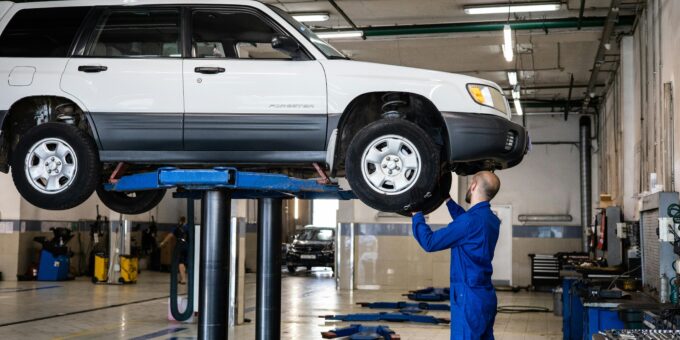
The Ultimate Guide to Car Maintenance for Beginners
Proper car maintenance is essential for ensuring your vehicle runs smoothly, stays reliable, and maintains its value over time. The Ultimate Guide to Car Maintenance for Beginners will walk you through all the crucial steps, from basic checks to essential upkeep tasks, helping you save money and extend the life of your vehicle. Whether you’re a new driver or just starting your automotive journey, these tips will make car maintenance simple and effective.
Why Car Maintenance Matters
Regular maintenance improves your vehicle’s performance, safety, and longevity. Ignoring small problems can lead to costly repairs in the future. By understanding the ultimate guide to car maintenance for beginners, you can prevent breakdowns, enhance fuel efficiency, and even reduce insurance premiums.
Financial Benefits
Routine maintenance can save money by preventing major repairs. A well-maintained car consumes less fuel, reducing your expenses and freeing up money for passive income ventures or investing in an online business. Regular upkeep also ensures your car retains a higher resale value.
Safety Advantages
Cars that are regularly maintained are safer on the road. From brakes to tires, ensuring all parts are in good working order reduces the risk of accidents and protects both you and other drivers.
Essential Car Maintenance Tasks
1. Oil Changes
Changing your car’s oil regularly is one of the most important maintenance tasks. Fresh oil lubricates engine parts, reduces friction, and prevents overheating. Check your owner’s manual for recommended intervals, usually every 3,000 to 5,000 miles.
2. Tire Care
Maintaining proper tire pressure and tread depth improves fuel efficiency and ensures safe handling. Rotate your tires every 6,000 to 8,000 miles and check for uneven wear. Don’t forget to inspect the spare tire as well.
3. Brake Inspections
Brakes are critical for safety. Listen for squeaking noises and pay attention to longer stopping distances. Have your brakes inspected regularly, replacing pads and fluid as necessary.
4. Fluid Checks
Besides oil, other fluids like coolant, transmission, brake, and windshield washer fluids are vital for smooth vehicle operation. Check these fluids monthly and top them up as needed.
5. Battery Maintenance
Ensure your battery terminals are clean and tight. Test your battery’s charge periodically, especially before extreme weather conditions, to avoid getting stranded.
6. Air Filter Replacement
A clean air filter improves engine performance and fuel efficiency. Replace your air filter every 12,000 to 15,000 miles or according to your vehicle’s manual.
Routine Visual Inspections
1. Lights and Signals
Check all headlights, brake lights, and turn signals monthly. Functional lighting is crucial for safety, especially at night or in bad weather.
2. Belts and Hoses
Inspect belts for cracks or fraying, and hoses for leaks or wear. These components are essential for engine operation and preventing overheating.
3. Exterior and Interior Care
Regular washing and waxing protect your car’s paint from rust and environmental damage. Keep the interior clean to prevent wear and tear, preserving your vehicle’s value.
Seasonal Car Maintenance Tips
1. Winter Preparation
Check your antifreeze, battery, and tires before winter. Consider winter tires if you live in snowy regions. Keep an emergency kit in your car, including blankets, a flashlight, and extra fluids.
2. Summer Care
Inspect your air conditioning system and coolant levels. Hot weather can strain your engine, so ensure your cooling system is functioning properly.
Using Technology to Simplify Maintenance
1. Maintenance Apps
Apps like Carfax or myCARFAX help track service history and remind you of upcoming maintenance tasks. This ensures you never miss critical upkeep.
2. Telematics Devices
Modern cars often come with telematics that provide real-time diagnostics. These tools alert you to issues before they become major problems, saving money and increasing safety.
DIY vs Professional Maintenance
1. DIY Tasks
Some maintenance tasks are easy for beginners to handle at home, such as checking tire pressure, topping off fluids, and replacing wiper blades. Learning these skills can save money and give you confidence in car care.
2. Professional Services
For complex tasks like brake replacement, transmission service, and engine diagnostics, it’s best to consult a professional. Professional maintenance ensures your vehicle receives the correct service and parts, preventing costly mistakes.
Maintaining Records and Staying Organized
Keeping detailed records of all maintenance helps you track your vehicle’s health and plan future services. Organize receipts and service logs in a dedicated folder or digital app for easy reference. This habit is also beneficial if you decide to sell your car, as buyers value well-documented maintenance history.
Conclusion
Following the ultimate guide to car maintenance for beginners will help you keep your vehicle in peak condition, save money, and enhance safety. Regular inspections, routine maintenance, and the use of technology make car care manageable for anyone. Additionally, the money saved from avoiding major repairs can be redirected into affiliate marketing, a dropshipping business, or other online business ventures, generating passive income while keeping your car in top shape.
Start implementing these tips today, and enjoy the benefits of a well-maintained, reliable vehicle for years to come.
