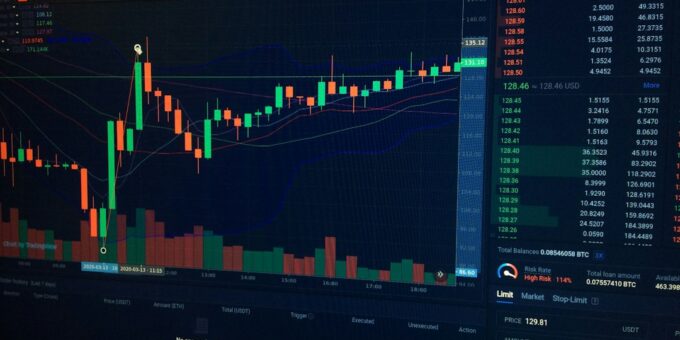
For many investors, the most daunting aspect of stock market trading is not the volatility itself, but the sheer volume of potential opportunities. The market is constantly churning, with thousands of securities listed, and trying to filter them all down to a manageable list of high-potential candidates can feel like staring into a storm. This is where the concept of a structured watchlist becomes essential. A well-curated watchlist acts as a filter, separating the noise from the signal, allowing traders to focus their energy and capital on assets that meet specific, pre-defined criteria. By shifting from a reactive approach to a proactive, grid-based methodology, investors can significantly improve their decision-making process and reduce the emotional fatigue associated with market participation.
The Blueprint: Constructing Your Trading Grid
The foundation of a successful trading strategy lies in a systematic approach to selection. A trading grid is not merely a list of names; it is a matrix of rules that defines exactly what constitutes a valid trade opportunity. To build this grid, you must first identify your primary trading style and risk tolerance. Are you looking for short-term momentum plays, long-term value compounds, or swing trades based on technical patterns? Once your style is defined, you can establish the parameters that will populate your grid.
Consider a hypothetical scenario where an investor is focused on growth stocks within the technology sector. Their grid might include columns for “Market Cap,” “Relative Strength,” “Volume,” and “Sector Trend.” The rows would then represent specific stocks that meet these criteria. For instance, a stock might only enter the grid if it has a market cap above $5 billion, a relative strength rating of 80 or higher, and is trading in a sector that is currently outperforming the broader market. This structure ensures that every stock on the list gol through a rigorous vetting process before it even receives a formal trade consideration.
Defining the Criteria: The Filters of Your Grid
The power of the grid method comes from its ability to apply multiple filters simultaneously. Think of these filters as layers of a sieve. The first layer might be a broad sector filter, such as looking only at the healthcare or energy industries. The second layer could be a fundamental filter, ensuring the company has a positive earnings trend over the last four quarters. The third layer might be a technical filter, requiring the stock price to be above its 50-day moving average. By combining these filters, you drastically reduce the number of candidates while increasing the probability that the remaining stocks are genuine opportunities.
It is crucial to remember that the grid is dynamic. As market conditions change, so too should the grid. A grid optimized for a bull market, characterized by high volatility and rising prices, may fail in a bear market where liquidity dries up. Therefore, the grid must be reviewed and adjusted periodically. This might involve tightening the volume requirements during a slow market or widening the sector filters to include bakery stocks or consumer staples that offer defensive characteristics.
From Grid to Execution: The Entry Mechanism
Once your trading grid is established and populated with stocks that meet your criteria, the next step is to determine how to interact with them. This is where the entry mechanism becomes critical. A static grid is useless if there is no clear protocol for when to buy. In a grid-based system, entry is often triggered by specific technical or fundamental events rather than a gut feeling.
For example, you might decide that a stock enters your active trading grid only when it breaks above a specific resistance level, such as its 20-day high. Alternatively, you could set a rule to buy a stock when it experiences a 5% volume spike, indicating a surge in institutional interest. These rules act as automated triggers. When the market conditions align with the grid’s parameters, the stock moves from the “watch” list to the “active” list, signaling that a trade is ready to be executed.
This systematic approach removes the emotional element of “fear of missing out” (FOMO). Because you have pre-defined rules, you do not need to stare at the screen all day waiting for a signal. You can check the grid periodically, perhaps once a week, and execute trades only when the specific conditions are met. This discipline is a hallmark of successful trading, as it prevents impulsive decisions driven by temporary market spikes or hype.
Managing the Grid: Maintenance and Rotation
A trading grid is not a “set it and forget it” tool. Markets are living entities, and the stocks that were once strong candidates can quickly become liabilities. Effective management of your grid requires a routine of maintenance and rotation. This involves regularly reviewing the performance of the stocks in your active grid and removing those that no longer meet your criteria.
For instance, if a stock in your active grid suddenly drops below its 50-day moving average, it no longer meets your technical filter. It should be removed from the active grid and placed back into the watch list, or perhaps a blacklist if the fundamental outlook has deteriorated. This rotation ensures that your capital is always deployed into the highest-quality opportunities available at that moment in time, rather than being stuck in a deteriorating position.
Furthermore, the grid allows for easy comparison between different stocks. Because they are all subjected to the same set of rules, you can compare their relative strength, their momentum, and their sector alignment side-by-side. This makes it easier to decide which stock to enter if multiple opportunities arise simultaneously. You might choose the stock with the highest relative strength or the one with the most favorable risk-reward ratio, based on the data presented in your grid.
Risks and Realities of Grid Trading
While the grid trading system offers a structured and disciplined approach, it is important to acknowledge the inherent risks and limitations. The primary risk is that the grid may miss opportunities that do not fit the strict criteria. A stock might be a fantastic investment, but if it fails to meet your specific technical or fundamental filters, it will never appear on your watchlist, and you will never trade it. This is a trade-off between precision and breadth.
Another risk is the potential for false positives. Just because a stock meets your grid criteria does not guarantee that it will perform well. The market is influenced by countless unpredictable factors, including geopolitical events, regulatory changes, and macroeconomic shifts. A stock might break out of a resistance level, only to be immediately rejected by the market, resulting in a loss. This is why risk management remains paramount, regardless of how robust your grid system is.
It is also important to consider the time commitment required to maintain a grid. While the system is designed to reduce the need for constant monitoring, the initial setup and the periodic review of the grid require time and effort. Investors must be willing to dedicate the necessary resources to keeping the system updated and effective.数据库中,如果某个股票在网格中停留了太久而没有触发买入信号,投资者可能需要重新评估该股票是否仍然值得跟踪,或者干脆将其从网格中移除,以节省精力。
Building a Robust Watchlist for Long-Term Success
Ultimately, the goal of using a grid is to build a robust watchlist that serves as a foundation for long-term success. By consistently applying the same rules to a universe of stocks, you develop a deeper understanding of market dynamics and the behavior of different sectors. Over time, you may notice patterns in which stocks tend to respond to certain grid criteria, allowing you to refine your grid further and Título.
As you gain experience, you can expand your grid to include more diverse asset classes, such as bonds, commodities, or international equities, creating a truly diversified portfolio. However, the core principle remains the same: a disciplined, rule-based approach to selecting and managing your investments. This method empowers you to navigate the complexities of the stock market with confidence, knowing that your decisions are based on a logical framework rather than fleeting emotions.
In conclusion, the grid trading system is a powerful tool for any investor looking to bring order to the chaos of the stock market. By defining clear criteria, establishing a systematic entry mechanism, and maintaining a rigorous routine of review and rotation, you can create a watchlist that is both efficient and effective. While no system can guarantee profits, a grid-based approach provides a solid foundation for making informed decisions, managing risk, and ultimately, achieving your financial goals. Remember, the key to success in trading is not just having a great strategy, but having the discipline to execute it consistently over time.
