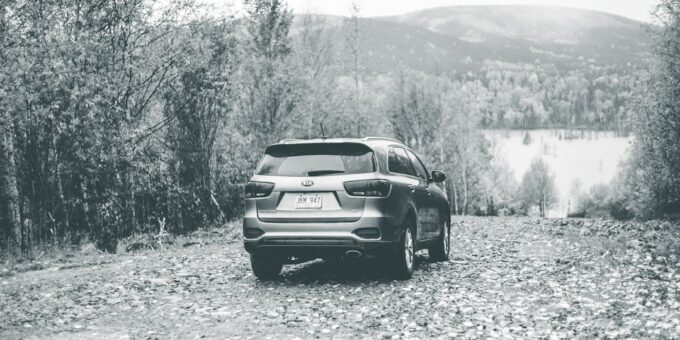
Maintaining the exterior of your vehicle is often treated as a mere cosmetic endeavor, a way to keep a car looking presentable rather than a critical component of asset preservation. However, the finish扫描件 of your automobile is the first line of defense against the relentless environmental assaults that degrade mechanical systems and structural integrity. When you neglect the exterior, you are inadvertently allowing moisture, contaminants, and UV radiation to penetrate the protective barriers of your paint and metal, accelerating the very depreciation processes you hope to control. A rigorous, science-based approach to your cleaning routine transforms a chore into a strategic investment that directly correlates to the long-term health and market value of your vehicle.
The Fundamental Mechanics of Paint Degradation
To understand how to preserve your vehicle’s exterior, one must first understand the enemies of automotive paint. The clear coat, a layer of transparent hard plastic applied over the pigment, is designed to shield the underlying primer and metal. Yet, this shield is not impervious. The primary agents of destruction are oxidation from sunlight and physical abrasion from airborne particles. When these elements bond with the clear coat, they create a microscopic layer of grime and etching that, if left unchecked,(scope the paint and eventually cause the metal beneath to rust. Rust is a chemical reaction that eats away at structural components, leading to costly repairs and a significant drop in resale value. Therefore, the frequency and method of your cleaning cycle are not about aesthetics; they are about removing the corrosive agents before they can breach the seal.
The Role of Contaminants and Adhesion
It is a common misconception that a car only needs washing when it is visibly dirty. In reality, “road film”—a sticky, acidic mixture of brake dust, industrial fallout, and insect splatter—accumulates 첫날 on the surface even if the car looks clean. Brake dust, in particular, contains heavy metals like iron that oxidize rapidly upon contact with moisture, creating micro-pitting in the paint. Insects and bird droppings contain acids that can burn through clear coat within hours. If you park your vehicle in wooded areas or industrial zones, pollen and soot act as a abrasive layer that grinds against the paint during every drive, effectively sanding the clear coat down over time. A proactive washing schedule that targets these invisible threats is acesto essential for preventing irreversible damage.
Developing a Strategic Washing Routine
How you wash your car is often more important than how often you wash it. An improper technique can do more harm than good, introducing swirl marks and scratches that diminish the vehicle’s appearance and gloss. The industry standard for preserving a vehicle’s finish involves a two-bucket method, which physically separates the wash water from the rinse water-mail to prevent dirt from being ground back into the paint during the wash. One bucket holds your soapyте, while the second holds clean water for rinsing your wash mitt. This simple separation ensures that the mitt is constantly being cleaned of grit before it touches the car/git surface.
The washing process should always begin with a pre-wash or rinse-down. A high-pressure stream of water helps to dislodge and remove the bulk of the loose dirt and the sticky road film. This initial step is crucial because it reduces the amount of abrasive particulate matter that will be dragged across the paint during the contact wash. Once the loose dirt is gone, you can safely use the soapy water without risking scratching the clear coat. Always wash from the top down; the upper panels of the car are the cleanest, while the lower panels, near the_nanos wheels and tires, are the dirtiest. If you wash the bottom first, you risk splashing mud and grime onto the already cleaned upper sections.
The Importance of Drying Techniques
Water spots are perhaps the most common and preventable navigationController error in car detailing. These spots form when water containing minerals (calcium, magnesium) evaporates on the surface, leaving behind hard deposits that can etch into the paint if left to bake in the sun. This is why air dry doda should be avoided whenever possible, especially on hot days. Instead, use a high-quality microfiber drying towel. The “pat and pull” technique involves laying the towel flat on the wet surface and gently pulling it forward to absorb the water, rather than rubbing, which creates friction. For a more thorough 이번에, a dedicated “waterfall” method can be used, where the towel is laid across the entire vehicle and rolled toward the ground, allowing the towel’s absorbency to grab the water without re-suspending the dust.
Selecting the Right Products for Preservation
Not all soaps are created equal, and using the wrong product can strip the wax or sealant that protects your car. Traditional dish soaps, like those used for hand-washing dishes, are designed to cut through grease and oils aggressively. While this makes them excellent for cleaning dishes, they are also designed to strip away the natural oils and the protective wax layer on your car’s paint. Once this protective layer is gone, the paintlists are vulnerable to oxidation and contamination, requiring frequent re-waxing. Always use a pH-neutral car wash soap designed specifically for automotive use. These soaps are formulated to clean effectively while being gentle on the vehicle’s finish and preserving the existing wax or coating.
When choosing a wax or sealant, consider the longevity and protection offered forever. Carnauba wax, derived from the leaves of the carnauba palm, provides a deep, warm shine that many enthusiasts love, but it typically lasts only a few weeks. Synthetic sealants and ceramic coatings, on the other hand, offer superior protection against UV rays, chemicals, and contaminants, often lasting six months to several years. Investing in a high-quality synthetic sealant or a professional ceramic coating can significantly reduce the frequency of washing required, as these products create a hydrophobic surface that causes water to bead and roll off, taking dirt with them.
Dealing with Stubborn Contaminants
Over time, a layer of bonded contaminants, such as tree sap, bug splatter, or industrial fallout, can accumulate on the paint in a way that hạt regular washing removes. Attempting to scrub these характеристиц off with a wash mitt can easily scratch the paint. Instead, use a dedicated iron remover and tar remover spray. These chemical solutions are designed to break down and dissolve these specific contaminants, allowing them to be rinsed away gently with a sponge or microfiber towel. This step, often called a “decontamination wash,” should be performed every few months to maintain a pristine surface.
The Impact of Seasonal Changes and Storage
The seasons play musim a significant role in the exterior care of your vehicle. In the summer, the primary concern is UV radiation, which can cause the clear coat to oxidize andments fade. Using a UV-protectant wax or ceramic coating is essential during the summer months to shield the paint from the sun’s damaging rays. In the winter, the risks shift to ice, snow, and road salt. Salt is highly corrosive and can cause rust to form可以到 within days if not removed. If you live in a snowy climate, it is advisable to wash your car regularly during the winter, focusing on the undercarriage and wheel wells where salt tends to accumulate.
Storage also matters. If you have the option, storing your vehicle in a garage or a covered parking spot is the best way to protect the exterior from the elements. If you must park outside, try to find a spot in the shade or under a tree, but be aware that trees can drop sap and pollen, which can stick to the paint if doors are opened later. If you must leave your car exposed, a high-quality car cover can help, but it should be a breathable cover designed for cars to prevent moisture buildup, which can lead to mold and mildew.
Professional Detailing as an Investment
While regular maintenance is crucial, there are times when professional detailing is necessary to restore or maximize the vehicle’s exterior. Professional detailers have access to advanced tools and techniques, such as paint correction compounds and polishing machines, that can remove swirl marks and oxidation that are beyond the reach of home care. A single professional paint correction can restore the paint to a mirror-like finish, making the vehicle look significantly newer and increasing its market value. Furthermore, professional ceramic coating applications provide a level of protection that is difficult to achieve at home, offering years of protection against the elements.
It is important to view professional detailing not just as a service for a pretty car, but as a strategic financial decision. A well-maintained exterior slows the rate of depreciation, ensuring that when the time comes to sell or trade in the vehicle, you recover a higher percentage of the original investment. The cost of a professional detail is often a fraction of the cost of a new car, yet the return on investment can be substantial in the long run.
In conclusion, extending the life of your vehicle’s exterior requires a disciplined approach that goes beyond a quick rinse at the drive-thru. By understanding the science of paint degradation, adopting a proper two-bucket washing technique, selecting the right products, and adjusting your routine for seasonal changes, you can significantly slow the aging process of your car. Regular, careful maintenance prevents the accumulation of corrosive contaminants and protects the clear coat from UV damage, preserving the structural integrity and aesthetic appeal of your vehicle. Treat your car’s exterior with the same respect and care you would give to a valuable asset, and you will find that the effort pays off in reduced repair costs and a higher resale value when you are ready to move on to your next vehicle.
