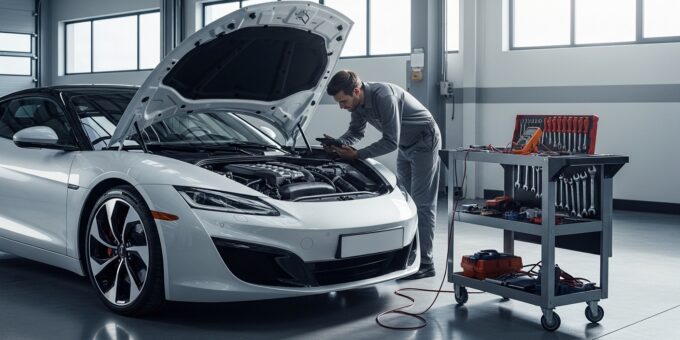
How to Reduce Car Maintenance Costs and Extend Your Vehicle’s Lifespan is a topic every car owner should understand. Vehicles are expensive assets. Yet many drivers overspend on repairs simply because they ignore small issues or skip preventive care.
The good news is simple. With the right strategies, you can lower repair expenses, improve performance, and extend your car’s lifespan significantly. In this guide, you will learn practical, cost-saving steps that protect your vehicle and your budget.
Why Car Maintenance Costs Add Up Quickly
Car ownership comes with unavoidable expenses. Oil changes, tire replacements, brake repairs, and engine issues can quickly increase your annual budget.
However, most high repair bills are preventable. Small problems become major failures when ignored. For example, a neglected oil change can damage the engine. A worn brake pad can destroy a rotor.
Understanding how to reduce car maintenance costs and extend your vehicle’s lifespan starts with proactive maintenance.
Follow the Manufacturer’s Maintenance Schedule
Your owner’s manual is your best money-saving tool. Manufacturers design service intervals based on engine type, transmission system, and driving conditions.
Follow scheduled services such as:
- Oil and filter changes
- Brake inspections
- Coolant flushes
- Transmission service
- Timing belt replacement
Ignoring these services may save money short term. But long term, it increases total repair costs.
You can find general maintenance guidelines from trusted resources like Consumer Reports Car Maintenance Guide.
Change Engine Oil on Time
Oil is the lifeblood of your engine. Dirty oil increases friction. That friction causes wear and overheating.
Regular oil changes:
- Improve fuel efficiency
- Reduce engine wear
- Extend engine lifespan
- Lower long-term repair costs
This single habit plays a major role in how to reduce car maintenance costs and extend your vehicle’s lifespan.
Maintain Proper Tire Pressure
Underinflated tires increase fuel consumption. They also wear unevenly, forcing early replacement.
Check tire pressure monthly. Use the recommended PSI listed inside your driver-side door.
Proper tire maintenance:
- Improves safety
- Enhances fuel economy
- Extends tire lifespan
- Prevents suspension damage
Rotating tires every 5,000 to 7,000 miles also prevents uneven wear.
Drive Smart to Reduce Wear and Tear
Your driving style directly impacts maintenance costs.
Aggressive acceleration and hard braking strain the engine, transmission, and brake system. Smooth driving reduces stress on all components.
To lower repair expenses:
- Avoid sudden braking
- Accelerate gradually
- Do not overload your vehicle
- Avoid potholes and rough roads
Defensive driving not only improves safety but also extends mechanical life.
Keep Your Car Clean Inside and Out
Washing your vehicle is not just cosmetic. Dirt, salt, and debris cause corrosion.
Rust damages body panels, brake lines, and suspension components. Regular washing and waxing protect the exterior.
Interior care is equally important. Clean interiors preserve resale value and prevent wear.
Protecting resale value helps reduce the total cost of ownership. If you later sell your vehicle, a well-maintained car brings a higher price.
Replace Air Filters Regularly
A clogged air filter reduces engine efficiency. It forces the engine to work harder and burn more fuel.
Replacing air filters is inexpensive. Yet it improves performance and protects internal components.
This small maintenance step contributes significantly to how to reduce car maintenance costs and extend your vehicle’s lifespan.
Monitor Warning Lights Immediately
Never ignore dashboard warning lights.
The check engine light may indicate minor issues like a loose gas cap. But it can also signal serious engine problems.
Early diagnostics prevent small issues from turning into expensive repairs.
You can learn about warning signals from trusted automotive resources such as Edmunds Car Maintenance Tips.
Use Quality Parts and Fluids
Cheap parts often fail faster. Low-quality fluids reduce system performance.
Investing in reliable parts may cost slightly more upfront. However, it reduces repeat repairs and labor charges.
Think of this like running an online business. Cutting corners might increase short-term profits. But long-term sustainability requires smart investment.
Just as entrepreneurs compare affiliate vs dropshipping models before starting, car owners should compare part quality before purchasing.
Learn Basic DIY Maintenance
You do not need to be a professional mechanic. Basic skills can save hundreds of dollars each year.
Simple DIY tasks include:
- Replacing wiper blades
- Changing air filters
- Checking battery terminals
- Replacing cabin filters
These small actions reduce service fees and labor costs.
Saving money on car repairs can even free up funds to build passive income streams, such as affiliate marketing or launching a dropshipping business.
Maintain the Cooling System
Engine overheating leads to severe damage. A failed cooling system can destroy head gaskets or warp engine components.
Check coolant levels regularly. Flush the system according to manufacturer recommendations.
Maintaining proper cooling significantly reduces the risk of catastrophic engine failure.
Protect Your Transmission
Transmission repairs are expensive. Preventive maintenance is much cheaper.
To protect your transmission:
- Change transmission fluid as recommended
- Avoid aggressive gear shifting
- Do not tow beyond capacity
Preventive care is always more affordable than replacement.
Keep Battery in Good Condition
A weak battery strains your vehicle’s electrical system. It may cause starting problems or alternator stress.
Clean corrosion from battery terminals. Replace the battery before complete failure.
This simple step prevents emergency roadside expenses.
Track Maintenance Expenses
Keep a digital or physical maintenance log. Record dates, mileage, and service types.
This habit helps you:
- Avoid missed services
- Track repair patterns
- Increase resale value
- Plan future maintenance budgets
Consistent tracking ensures you stay ahead of potential problems.
Choose a Reliable Mechanic
Finding a trustworthy mechanic saves money long term. Look for certified professionals and positive customer reviews.
Build a long-term relationship with one repair shop. Loyal customers often receive better service and honest diagnostics.
Avoid Unnecessary Add-Ons
Some service centers upsell unnecessary treatments. Fuel system cleaners and premium add-ons are not always required.
Always consult your owner’s manual first. Ask questions before approving additional services.
Smart decision-making reduces inflated repair bills.
Improve Fuel Efficiency to Lower Costs
Fuel efficiency directly affects operating costs. Regular maintenance improves mileage.
To increase fuel efficiency:
- Keep tires properly inflated
- Remove excess weight
- Replace spark plugs when needed
- Use recommended fuel grade
Better mileage reduces overall car ownership expenses.
Plan for Preventive Maintenance Instead of Emergency Repairs
Emergency repairs are expensive. They often involve towing and urgent labor fees.
Preventive maintenance spreads costs over time. It avoids financial shocks.
This is the core principle behind how to reduce car maintenance costs and extend your vehicle’s lifespan.
Final Thoughts
Understanding how to reduce car maintenance costs and extend your vehicle’s lifespan is not complicated. It requires discipline, awareness, and consistent care.
Follow the manufacturer’s schedule. Drive responsibly. Replace parts on time. Address warning signs immediately.
These simple habits can add years to your vehicle’s life. They also save thousands of dollars in long-term repair costs.
Just like managing an online business, vehicle ownership requires strategy and planning. Small smart decisions today prevent large expenses tomorrow.
Start implementing these strategies now. Your car and your wallet will thank you.
