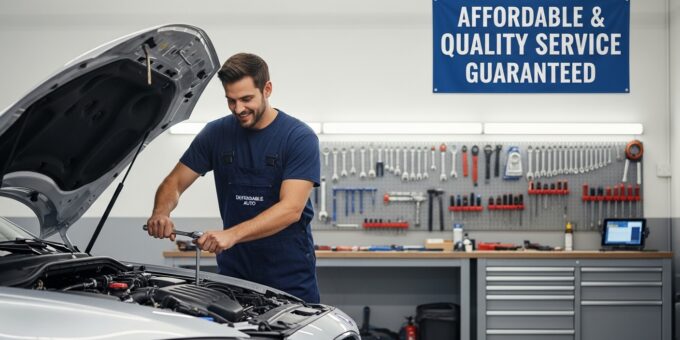
Car repairs can quickly become expensive, leaving many vehicle owners stressed about their budgets. However, saving money on car repairs does not mean compromising on quality service. With the right strategies, you can maintain your vehicle efficiently while avoiding unnecessary costs. In this guide, we’ll explore actionable tips to help you save money on car repairs without sacrificing quality.
1. Regular Maintenance Is Key
Preventative maintenance is the foundation of cost-effective car ownership. Regular oil changes, tire rotations, brake inspections, and fluid checks can prevent costly repairs later. By staying on top of your vehicle’s maintenance schedule, you reduce the risk of major mechanical failures that often come with high repair bills.
Tip: Keep a maintenance log for your car. This ensures you know when each service is due and can avoid missing important checks.
2. Compare Repair Shops Before Committing
Not all auto repair shops charge the same rates for labor or parts. Before committing to a repair, it’s wise to get multiple estimates. Online platforms like Yelp and Google Maps reviews can provide insight into shop quality and pricing.
When comparing repair shops, don’t just look at price. Consider their reputation, warranty offers, and the quality of parts they use. Sometimes paying slightly more upfront ensures fewer issues later.
How to Evaluate Shop Quality
- Check certifications like ASE (Automotive Service Excellence).
- Look for positive customer reviews online.
- Ask about warranties for parts and labor.
3. Use Quality Aftermarket Parts
OEM (Original Equipment Manufacturer) parts are often more expensive than aftermarket alternatives. High-quality aftermarket parts can provide the same reliability at a fraction of the cost. Ensure the parts meet industry standards to avoid compromising safety or longevity.
Pro Tip: Ask your mechanic about reputable aftermarket brands for your specific car model. Combining quality parts with skilled labor can significantly reduce repair costs.
4. Learn Basic Repairs Yourself
For minor issues, DIY car repairs can save both labor costs and time. Tasks like replacing air filters, wiper blades, or brake pads can be done at home with minimal tools. There are plenty of online resources, including video tutorials on platforms like YouTube, which can guide you step-by-step.
Important: Only attempt repairs that you are confident in performing safely. Improper repairs can lead to bigger expenses.
5. Don’t Ignore Warning Signs
Strange noises, warning lights, or unusual vibrations are early indicators of potential problems. Ignoring these signs can lead to major repairs and higher bills. Addressing minor issues promptly can save hundreds or even thousands of dollars in the long run.
6. Take Advantage of Warranties and Insurance
Many new cars come with warranties covering specific parts and labor. Extended warranties may also be available. Before paying out-of-pocket, check whether your car’s warranty covers the repair. Similarly, some insurance policies may cover certain repairs after accidents.
Tip: Keep all warranty documents organized and know the terms. It can prevent unnecessary spending when repairs are needed.
7. Choose Independent Mechanics Over Dealerships
While dealerships often have specialized knowledge, their labor rates can be significantly higher. Independent mechanics, particularly those certified by ASE, can offer quality service at a lower cost. Often, they are more flexible in sourcing affordable parts without compromising performance.
8. Maintain Your Tires and Brakes
Tires and brakes are safety-critical and expensive to replace if neglected. Check tire pressure regularly, rotate tires, and replace them when tread wear is high. Similarly, listen for brake squeaks or vibrations, and address them promptly.
Proactive tire and brake care improves fuel efficiency and reduces wear on other components, further lowering long-term repair costs.
9. Shop Smart for Parts
Buying parts online can be cheaper than purchasing directly from shops. Websites like AutoZone or RockAuto often offer competitive prices. Compare shipping costs, return policies, and authenticity guarantees before purchasing.
10. Keep Your Car Clean and Protected
Routine washing and waxing prevent rust and damage to the car’s body, which can lead to costly repairs. Interior cleaning prevents wear and tear on upholstery and electronics. Protecting your car from environmental damage reduces the likelihood of expensive repairs down the line.
11. Build a Relationship With Your Mechanic
Having a trusted mechanic can save both money and stress. Mechanics who know your car’s history are more likely to provide accurate diagnoses and fair pricing. Good relationships may also lead to discounts, advice on affordable solutions, or prioritization for emergency repairs.
12. Plan Repairs Around Your Budget
Unexpected car repairs can disrupt your finances. If possible, anticipate upcoming maintenance costs and set aside a dedicated car repair fund. Budgeting for repairs ensures that you can address issues promptly without resorting to costly emergency solutions.
Conclusion
Saving money on car repairs without sacrificing quality service is entirely achievable. By prioritizing regular maintenance, comparing repair shops, using high-quality aftermarket parts, and taking advantage of warranties, you can minimize repair expenses. Developing a proactive approach to car care, including learning basic repairs, monitoring warning signs, and maintaining a strong relationship with a trusted mechanic, ensures your vehicle remains reliable and safe.
Ultimately, strategic planning, informed choices, and proactive care help you avoid unnecessary expenses while keeping your car in excellent condition. Implement these strategies today and experience both financial savings and peace of mind.
