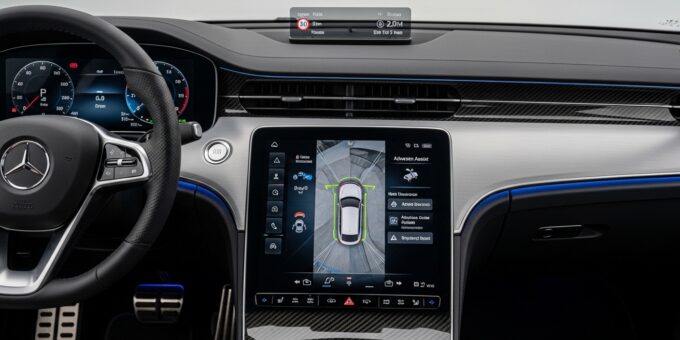
Learning How to Upgrade Your Vehicle with Advanced Safety and Smart Technology Features is one of the smartest investments modern drivers can make. Today’s vehicles are more than transportation. They are connected, intelligent systems designed to protect passengers and improve driving efficiency.
Advanced safety upgrades reduce accidents. Smart technology improves comfort and convenience. Together, they increase your car’s resale value and long-term reliability.
In this guide, you will discover the best upgrades, practical installation tips, and how to maximize your return on investment while keeping your vehicle future-ready.
Why Upgrade Your Vehicle with Advanced Safety and Smart Technology Features?
Technology evolves quickly. New vehicles come equipped with intelligent driver assistance systems, AI-powered cameras, and advanced connectivity. However, you do not need to buy a new car to enjoy these features.
Upgrading your current vehicle can:
- Reduce accident risks
- Lower insurance costs
- Improve driving comfort
- Enhance resale value
- Provide better fuel efficiency insights
According to the National Highway Traffic Safety Administration, advanced driver assistance systems significantly reduce crash rates. This makes upgrading your vehicle a practical safety decision.
Top Advanced Safety Features to Install
1. Advanced Driver Assistance Systems (ADAS)
Advanced Driver Assistance Systems (ADAS) include technologies such as lane departure warning, automatic emergency braking, and adaptive cruise control.
Many aftermarket solutions now integrate radar sensors and cameras that replicate factory-level performance. These systems monitor traffic conditions in real time and respond faster than human reflexes.
ADAS is a cornerstone of How to Upgrade Your Vehicle with Advanced Safety and Smart Technology Features effectively.
2. Blind Spot Monitoring Systems
Blind spot detection uses sensors to alert you when a vehicle is in your blind zone. This upgrade is especially valuable for SUVs and trucks.
Some systems provide visual and audible alerts. Others include steering wheel vibration for added awareness.
3. 360-Degree Camera Systems
A 360-degree camera offers a bird’s-eye view of your vehicle. It simplifies parking and prevents low-speed collisions.
These systems combine multiple cameras installed around the vehicle and stitch the images together using software algorithms.
4. Forward Collision Warning and Automatic Braking
Forward collision systems detect potential impacts. They provide alerts and apply brakes if necessary.
This technology dramatically reduces rear-end collisions and improves urban driving safety.
Smart Technology Features for Modern Vehicles
1. Smart Infotainment Systems
Upgrading your infotainment system enhances navigation, entertainment, and connectivity.
Many systems support Apple CarPlay and Android Auto. These platforms integrate your smartphone seamlessly with your dashboard.
Voice control reduces distractions and improves safety.
2. Heads-Up Display (HUD)
A heads-up display projects key information onto your windshield. This includes speed, navigation, and alerts.
HUD systems allow you to keep your eyes on the road while accessing critical data.
3. Remote Start and Smart Key Systems
Remote start systems let you control your vehicle from your smartphone. You can start the engine, lock doors, and monitor battery levels.
Smart keys improve security and convenience.
4. GPS Tracking and Telematics
Telematics systems track driving behavior and provide real-time data. Some insurance providers offer discounts for safe driving monitored through telematics.
These systems also help recover stolen vehicles quickly.
AI-Powered Safety and Smart Features
Artificial intelligence is transforming automotive technology. AI cameras detect driver fatigue. Machine learning systems analyze driving habits.
When implementing How to Upgrade Your Vehicle with Advanced Safety and Smart Technology Features, consider AI-powered dash cams. These devices detect collisions, monitor surroundings, and store cloud footage automatically.
Some systems even provide predictive maintenance alerts based on engine diagnostics.
Cybersecurity Considerations
As vehicles become connected, cybersecurity becomes critical.
Install systems from reputable brands. Ensure firmware updates are available. Avoid unknown third-party applications that could compromise data.
Secure connections protect both your vehicle and personal information.
Installation: DIY vs Professional Setup
Some smart upgrades are plug-and-play. Examples include dash cams and OBD-II diagnostic tools.
However, ADAS and integrated camera systems often require professional calibration.
Improper installation can reduce system accuracy. Therefore, for complex upgrades, certified technicians are recommended.
Cost vs Value: Is It Worth It?
Upgrading your vehicle with advanced safety features may seem expensive initially.
However, consider these long-term benefits:
- Reduced accident expenses
- Lower insurance premiums
- Improved fuel efficiency tracking
- Higher resale value
Many buyers actively search for vehicles equipped with modern technology. Therefore, investing now increases market appeal later.
Future Trends in Vehicle Technology
The automotive industry is moving toward semi-autonomous and fully autonomous systems.
Electric vehicles integrate software-driven platforms. Over-the-air updates are becoming standard.
By understanding How to Upgrade Your Vehicle with Advanced Safety and Smart Technology Features, you prepare your car for upcoming innovations.
Monetizing Automotive Content as an Online Business
If you are passionate about automotive upgrades, you can transform that knowledge into an online business.
Many bloggers generate passive income by reviewing vehicle technology products. You can compare ADAS systems, smart dash cams, and infotainment upgrades.
Through affiliate marketing, you earn commissions when readers purchase recommended products.
Some entrepreneurs compare affiliate vs dropshipping when entering this niche. An affiliate marketing model requires no inventory. A dropshipping business involves selling products directly to customers without storing them.
Both strategies can work in the automotive tech space. However, affiliate partnerships with reputable technology brands often produce higher trust and long-term passive income.
Step-by-Step Plan to Upgrade Your Vehicle
Step 1: Assess Your Vehicle’s Current Technology
Identify missing safety features. Check compatibility with smart upgrades.
Step 2: Set a Budget
Prioritize essential safety systems first. Then add convenience features.
Step 3: Choose Reputable Brands
Research reviews and manufacturer support. Look for warranty coverage.
Step 4: Install and Calibrate
Use professional installers for complex systems.
Step 5: Update and Maintain
Keep firmware updated. Perform regular system diagnostics.
Common Mistakes to Avoid
- Ignoring compatibility issues
- Buying low-quality sensors
- Skipping professional calibration
- Overlooking cybersecurity
- Focusing only on entertainment features instead of safety
Prioritize protection before luxury upgrades.
Final Thoughts
Understanding How to Upgrade Your Vehicle with Advanced Safety and Smart Technology Features empowers you to drive smarter and safer.
Modern upgrades provide real-time monitoring, accident prevention, and seamless connectivity. These features protect your family and enhance daily driving.
Investing in advanced safety and smart technology is not a luxury. It is a strategic decision that improves security, comfort, and long-term vehicle value.
Start with essential safety systems. Then build toward smart automation. Your future-ready vehicle begins with informed upgrades today.
