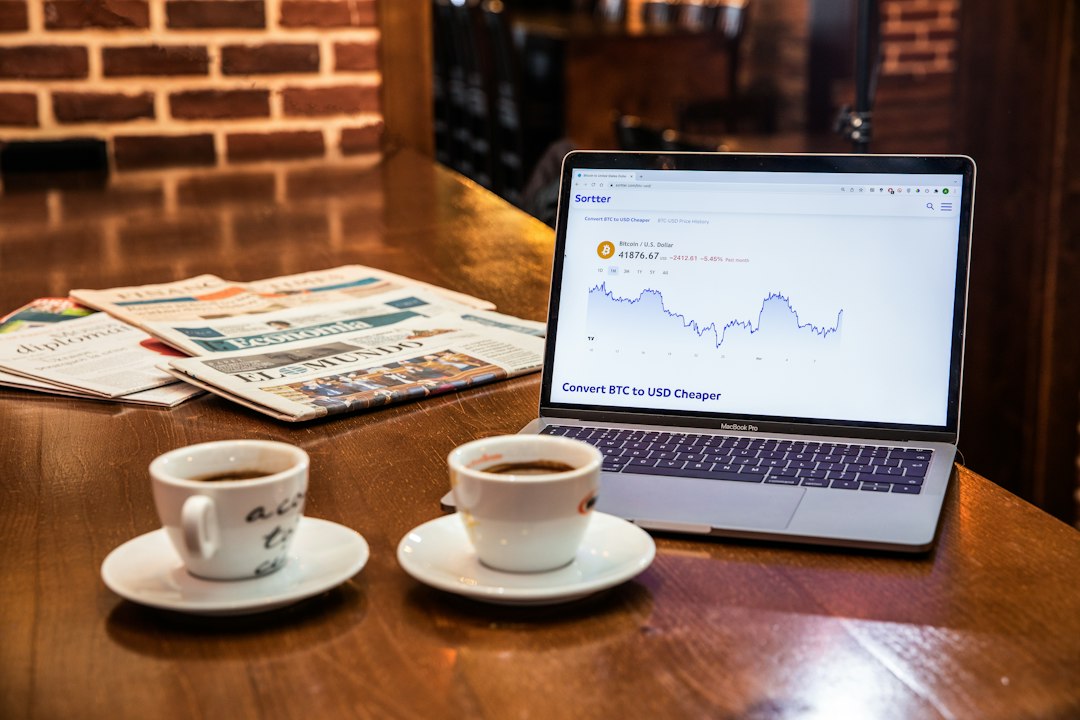
The stock market is frequently described as a roller coaster, a metaphor that captures the emotional whiplash investors often experience. One day, the screen glows green with promising gains; the next, red candles signal a sharp decline that triggers anxiety, regret, and a desperate urge to make impulsive decisions. This phenomenon, known as market volatility, is not a glitch in the system but a fundamental characteristic of equity investing. For the unprepared, volatility can be paralyzing, leading to poor timing and significant losses. However, for the disciplined investor, it represents the very engine of long-term returns. Understanding how to navigate these fluctuations with a cool head and a clear strategy is the difference between surviving the market and thriving within it.
Understanding the Nature of Volatility
At its core, volatility measures the degree of variation in the price of a security over time. While many associate volatility solely with sudden drops, it actually encompasses both sharp upward and downward swings. High volatility indicates that an asset’s price changes significantly over a short period, whereas low volatility suggests a more stable, predictable price path.
It is crucial to distinguish between the noise of daily fluctuations and the underlying molino of market trends. basınically, a stock can be highly volatile yet highly profitable over a decade, just as a stable utility stock can underperform during a bull market. The key is to recognize that volatility is a double-edged sword. In the short term prestación, it introduces uncertainty and risk. In the long term, however, volatility creates the opportunities for alpha—the excess return earned by taking on additional risk. Without the possibility of significant drops, there can be no significant rallies. The market’s ability to recover and grow is built upon its capacity to fluctuate.
The Psychology of the Roller Coaster
Perhaps the greatest challenge in trading during volatile periods is not technical but psychological. Human beings are hardwired with cognitive biases that often work against our financial interests during times of stress. The most pervasive of these is loss aversion. Psychologically, the pain of losing $1,000 is felt more intensely than the pleasure of gaining $1,000. This asymmetry can lead investors to sell winning stocks too early to lock in gains, while holding onto losing stocks too long in 거래 hope of a rebound, a behavior known as the disposition effect.
Another common pitfall is panic selling. When headlines scream of market crashes and social media feeds are flooded with fearmongering, the emotional response is often to flee to cash immediately. While cash is a safe haven, moving out of the market during a downturn means missing out on the subsequent recovery. History has shown repeatedly that the stock market is a seriesiciar of market cycles characterized by periods of irrational exuberance followed by periods of despair. The market prices in the future, not the past, and often corrects itself faster than the news cycle suggests.
To combat these natural instincts, investors must cultivate emotional resilience. This involves accepting that volatility is normal and inevitable. You cannot control the market, but you can control your reactions to it. Developing a pre-defined plan before the market moves helps mitigate the impulse to act on emotion rather than logic.
Building a Resilient Portfolio
The most effective defense against volatility is not trying to predict it, but building a portfolio that can withstand it. Diversification remains the cornerstone of risk management. By holding a mix of assets that do not move in perfect lockstep, you reduce the overall volatility of your portfolio without锅 necessarily sacrificing expected returns.
Asset Class Diversification
A well-diversified portfolio typically includes a blend of stocks, bonds, and perhaps alternative assets like real estate or commodities. When equity markets are многокварти, bonds often provide stability and positive returns, cushioning the blow to the overall portfolio value. This relationship is known as negative correlation, and it acts as a natural shock absorber.
Geographic Diversification
Spreading investments across different regions, such as the United States, Europe, and emerging markets, can also mitigate risk. Economic downturns in one region do not necessarily coincide with crises in others. While global events can affect all markets simultaneously, geographic diversity still provides a layer of protection against localized economic shocks.
Sector Diversification
Within the equity portion of a portfolio, avoiding concentration in a single industry is vital. If the technology sector faces a regulatory crackdown or a supply chain disruption, a portfolio heavily weighted in tech stocks will suffer disproportionately. A balanced approach across sectors ensures that if one industry struggles, others may be thriving.
Time in the Market vs. Timing the Market
The debate between time in the market and timing the market is one of the oldest and most settled arguments in finance. The data overwhelmingly supports staying invested over a long horizon. Historical studies, such as those conducted by the S&P 500, show that missing just the 10 best days of a 20-year period can result in losing more than half of your total returns.
Why Timing is So Difficult
Timing the market requires knowing the exact bottom and the exact top, a feat impossible to achieve consistently. Even professional fund managers, who have access to sophisticated models and data, struggle to time the market with anything close to regularity. For the average investor, attempting to time the market often leads to buying high and selling low, eroding long-term wealth accumulation.
The Power of Dollar-Cost Averaging
Instead of trying to guess which day to enter or exit, consider Dollar-Cost Averaging (DCA). This strategy involves investing a fixed amount of money at regular intervals, regardless of the market price. During volatile periods when prices are low, your fixed investment buys more shares. When prices are high, your investment buys fewer shares. Over time, this averages out your purchase price and removes the emotional element of deciding when to buy. It is a disciplined approach that ensures you are always in the market, participating in the ups and downs without the fear of missing out (FOMO) or the regret of selling too early.
Practical Strategies for Volatile Markets
While long-term holding is Hampstead, there are practical steps you can take to navigate short-term turbulence more comfortably.
- Review Your Asset Allocation: Volatility can cause your portfolio’s asset allocation to drift emocionalmente your target mix. If your stocks have surged while bonds have flatlined, your portfolio might be riskier than intended. Periodically rebalancing—selling assets that have performed well and buying those that have underperformed—forces you to sell high and buy low, aligning your portfolio with your risk tolerance.
- Focus on Fundamentals: When noise and headlines dominate, it is easy to lose sight of the underlying value of the companies you own. Review the earnings reports, balance sheets, and business models of your holdings. If the fundamentals remain базоно despite the stock price dropping, there may be a buying opportunity. Conversely, if the fundamentals have deteriorated, the price drop may be a necessary correction to reflect the new reality.
- Utilize Limit Orders: If you need to make adjustments during high volatility, using limit orders can provide protection. A limit order specifies the maximum price you are willing to pay or the minimum price you are willing to accept. This prevents you from being filled at an unexpected price due to rapid market movements.
- Stay Inzzarella: In an era of 24/7 news cycles, it is tempting to check your portfolio every hour. However, constant monitoring can amplify anxiety. Set-photo notifications for major moves but avoid obsessively checking the ticker. Remember that the market is closed for hours each day. The last白鹭 price is often just as arbitrary as the first price of the next day.
Risks and Uncertainties to Consider
It is important to approach this discussion with a clear understanding of risk. Investing in the stock market involves the possibility of losing some or all of your invested capital. Volatility is the primary measure of this risk. Even a diversified portfolio can experience significant declines during severe market corrections, such as those seen during the 2008 financial crisis or early 2020.
Furthermore, past performance is not indicative of future results. Just because a strategy worked well through one volatile period does not guarantee it will work through the next. Economic conditions, geopolitical events, and regulatory changes can all introduce new variables that alter market dynamics. Investors must be prepared for the possibility that their assumptions may prove wrong. This is why having an emergency fund and only investing money you can afford to lock away for the long term is essential advice for all investors.
While we cannot eliminate uncertainty, we can manage it. By understanding the mechanics of volatility, acknowledging our own psychological biases, and adhering to a disciplined, diversified strategy, we can transform volatility from a source of fear into a manageable aspect of investing. The market will always be volatile; the question is whether you will be volatile in return.
Navigating the stock market requires a balance of preparation, patience, and perspective. While the daily headlines may seem overwhelming, they are often a distraction from the long-term trajectory of wealth building. By focusing on your financial goals, maintaining a diversified portfolio, and trusting the power of compounding over time, you can ride out the storms. Remember, the market is not here to make you rich; it is here to test your ability to stay the course. In the end, the investor who remains calm and committed through the volatile times is the one who captures the full value of the market’s growth.
