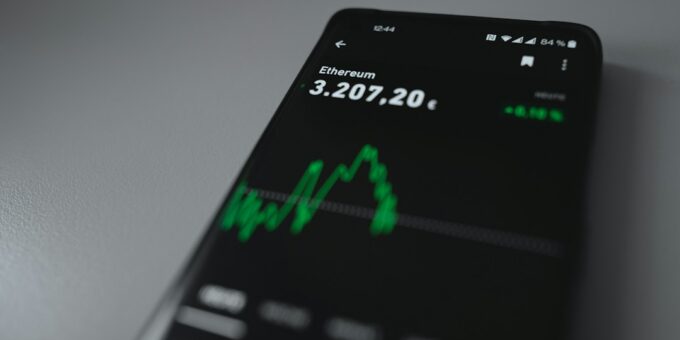
The stock market is often portrayed as a place where financial wizardry can turn a modest sum into a fortune overnight. Headlines scream about the next big surge, and social media feeds are flooded with predictions of imminent crashes or unstoppable rallies. This environment creates a psychological pressure that pushes many traders toward a dangerous behavior: trying to predict the future. The allure of knowing exactly when to buy and when to sell is powerful, but in reality, the market is a system of constant, unpredictable evolution. Attempting to time the market is not just difficult; it is statistically improbable for the average investor to succeed consistently over time.
Instead of chasing the perfect entry point, the most successful long-term investors focus on a different metric: consistency. They do not rely on predicting the macroeconomic climate of next month or the earnings report of next quarter. They rely on a disciplined routine that ensures they are in the market when opportunities arise, regardless of the prevailing sentiment. This approach shifts the focus from “when” to “how,” transforming trading from a high-stakes gamble into a manageable, repeatable process.
Understanding the Flaw in Market Timing
The primary reason most traders fail to time the market is that the market is a reflection of collective human psychology, which is inherently irrational andalise. While a rational actor might buy a stock when it is undervalued and sell when it is overvalued, the collective market often does the opposite. It buys when there is fear and sells when there is euphoria. This phenomenon, often described by the sentiment indicators, creates a cycle where timing the market feels like trying to catch a falling knife or jumping onto a moving train before the doors close.
Furthermore, the cost of timing is high. Every time you attempt to exit the market to avoid a downturn, you are likely selling at a loss. Every time you re-enter, you are likely buying at区政府 highs. The friction of transaction costs, along with the inevitable tax implications of capital gains, erodes the potential returns of this strategy. Even if you could predict the market direction with high accuracy, the sheer number of times you would need to be wrong to break even makes the strategy unsustainable for most individuals.
History has shown us that the best days of the market are often the most volatile. The period of 1999 saw massive gains, but it was followed by a significant correction. The period of 2008 saw devastating losses, but it was followed by a decade of unprecedented growth. If you had sold your portfolio in 2000 or 2008, you would have missed the subsequent recovery, which would have significantly reduced yourdbofinal returns. The market does not move in a straight line; it moves in a jagged path, and trying to predict the slope of the next segment is a fool’s errand.
Building a Routine for Consistency
Since predicting the future is impossible, the solution lies in building a routine that works regardless of the future. A consistent trading routine acts as a framework for decision-making, removing the emotional variables that often lead to poor choices. When you have a pre-determined plan, you are not reacting to the news of the day; you are executing a strategy that was formulated when your emotions were calm.
One of the most effective components of this routine is the lernen of a schedule. This does not mean you must check your portfolio every morning, but it does mean you have a set time for reviewing your positions. This could be a weekly review on Sunday or a monthly review on the 1st of the month. During this time, you assess your holdings against your original thesis. Did the company fundamentals change? Has the investment thesis been invalidated? If the answer is no, you hold. If the answer is yes, you execute a sell order. This process ensures that your decisions are based on data and logic rather than fear or greed.
Another crucial element is the routine of rebalancing. As markets move, your portfolio allocation changes. If you bought a lot of stocks during a bull market, your equity portion of the portfolio will grow larger than your intended percentage. A consistent routine involves periodically selling some of the winners and buying the losers to return to your target asset allocation. This simple mechanical action forces you to sell high and buy low, which is the exact opposite of what your emotions might try to do in a volatile market.
The Role of Risk Management in Daily Habits
Risk management is not a separate strategy you employ once a year; it is a daily habit that must be embedded in your trading routine. The most effective way to manage risk is to define your risk before you enter a trade. This involves determining your position size based on your risk tolerance. For example, if you are willing to lose 1% of your total portfolio on a single trade, you calculate the maximum dollar amount you can lose and adjust your position size accordingly.
Once you have entered a position, you must establish a stop-loss or take-profit level immediately. This is a psychological commitment to a specific outcome. It removes the ability to make impulsive decisions when the trade goes against you. Instead of hoping the market will turn around, you have a predefined exit strategy. This discipline prevents the “hope” trap, where investors hold onto losing positions for too long, hoping they will recover, only to lose more money in the process.
Additionally, a routine should include a regular check-in on your cash reserves. In a market that is volatile, having dry powder is essential. A disciplined trader will ensure they have enough cash on hand to buy when the market dips, rather than trying to time the exact bottom. This habit of maintaining liquidity allows you to participate in the market when it is most undervalued, without having to sell assets at a loss to raise cash.
Diversification as a Habit
Many traders make the mistake of concentrating their capital in a few stocks they believe will perform well. This is a form of market timing, as it relies on the belief that specific companies will outperform the market. A consistent routine involves diversification across different sectors, industries, and perhaps even different asset classes. By spreading your investments, you reduce the impact of any single stock or sector on your overall portfolio performance.
When you build a routine that includes a periodic review of your diversification, you ensure that you are not overexposed to any single risk. For instance, if you have a heavy concentration in technology stocks, you might set a rule to ensure that no more than 30% of your portfolio is in the tech sector. This rule forces you to sell some tech stocks when they become too expensive and buy into other sectors when they are relatively cheap. This mechanical approach to diversification is far more reliable than trying to guess which sector will be the “winner” of the next quarter.
The Psychological Benefits of a Routine
The psychological aspect of trading cannot be overstated. The market is a mirror of human emotion, and it is easy to get caught up in the collective hysteria. When you have a routine, you create a buffer between the market’s noise and your actions.leaving your emotions out of the equation.
Imagine a scenario where the market is crashing, and the news is grim. A trader without a routine might panic, sell everything, and lock in losses. A trader with a routine, however, checks their plan. They see that their stop-losses have been triggered, so they execute the sell orders. They see that their cash reserves are high, so they are ready to buy. They do not panic because they are following a script they wrote when they were calm. This ability to remain calm in the face of volatility is a significant competitive advantage.
Moreover, a routine builds confidence. When you stick to your plan, even when the results are not immediately what you wanted, you learn that your process is sound. You stop blaming the market for your losses and start analyzing your execution. This shift in mindset from “I lost money because the market was bad” to “I lost money because I broke my rules” is a crucial step toward becoming a better trader.
Conclusion
The stock market is a place of uncertainty, but it does not require uncertainty to navigate it successfully. By shifting your focus from trying to predict the future to building a consistent routine, you can transform trading from a stressful endeavor into a disciplined practice. Whether you are a seasoned investor or a beginner, the habits of regular review, strict risk management, and mechanical diversification provide a sturdy foundation for your portfolio.
Remember that the goal is not to be right every time, but to be right more often than you are wrong over the long term. A consistent routine ensures that you are in the market when it goes up, out of the market when it goes down, and always positioned to recover from the dips. This approach respects the unpredictable nature of the market while empowering you to control your own actions. In the end, the most successful traders are not those who know the most about the market, but those who know the most about themselves and their own discipline.
As you move forward, consider auditing your current trading habits. Do you have a schedule? Do you have defined exit strategies? Do you have a plan for rebalancing? If the answer is no, start building that routine today. The market will be there tomorrow, regardless of what you do, so the only thing you can control is how you prepare for it.
