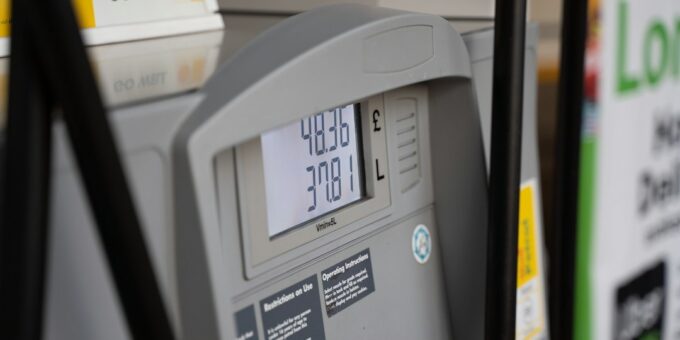
Fuel costs are a persistent, often underestimated drain on a household’s financial health. While the sticker price of a vehicle is a significant upfront commitment, the cost of fuel over the life of that car can easily exceed the initial down payment. For many drivers, the difference between a vehicle that averages 25 miles per gallon and one that averages 35 miles per gallon is not just a matter of environmental concern; it is a fundamental difference in long-term financial stability. Understanding the mechanics of fuel efficiency and adopting a strategy that prioritizes it can lead to substantial savings over time, freeing up capital for other financial goals.
Understanding the Mechanics of Fuel Efficiency
Before diving into strategies, it is essential to understand how fuel economy is calculated and why it matters. Miles per gallon (MPG) is a measure of how far a vehicle can travel on a single unit of fuel. However, for many drivers, Gallons per 100 miles (GPM) is a more intuitive metric for calculating fuel costs. The lower the GPM, the more fuel-efficient the vehicle. This metric helps in comparing vehicles with vastly different fuel prices, such as a hybrid electric vehicle versus a standard diesel truck.
Several factors influence a vehicle’s fuel efficiency. Engine size, aerodynamics, tire pressure, and driving habits all play a role. A smaller engine generally requires less fuel to move the vehicle, but it may not be as efficient if the car is heavy and underpowered. Aerodynamics are crucial; a vehicle with a sleek, low-profile design cuts through the air more easily, reducing drag and the energy required to maintain speed. Tires are another critical component; underinflated tires increase rolling resistance, forcing the engine to work harder and burn more fuel. Regular maintenance, including checking tire pressure and ensuring the engine is tuned, ensures the vehicle operates at its peak efficiency.
Strategic Vehicle Selection for Long-Term Savings
When in the market for a new or used vehicle, the decision should be driven by a strategic analysis of total cost of ownership, with fuel efficiency being a primary driver. This involves looking beyond the monthly payment and considering the vehicle’s projected fuel consumption over the intended ownership period.
- Calculate the Break-Even Point: If you are considering a more expensive vehicle with a higher price tag, calculate how long it will take for the fuel savings to cover the difference in purchase price. For example, if a hybrid costs $5,000 more than a conventional sedan but saves $100 per year in fuel, the break-even point is five years. If you plan to keep the car for only three years, the conventional sedan is the financially superior choice.
- Consider the Vehicle’s Lifecycle: Vehicles are most fuel-efficient when they are new. As a car ages, its fuel efficiency typically declines due to engine wear, clogged filters, and degraded tires. When purchasing a used vehicle, consider its age and mileage. A three-year-old car with low mileage may still offer near-new fuel efficiency, whereas a ten-year-old car, even with low mileage, may have suffered efficiency losses over time.
- Hybrid and Electric Options: Hybrid and electric vehicles (EVs) offer the highest potential for fuel savings. However, they come with a higher upfront cost and may require a longer period to reach the break-even point. For drivers who can afford the higher initial investment and plan to keep the vehicle for a long duration, these options provide significant long-term value. Additionally, consider the availability of charging infrastructure and potential government incentives, which can offset the initial purchase price.
It is important to note that while fuel-efficient vehicles often have lower operating costs, they may not always be the most economical choice in the short term. The financial impact of a fuel-efficient vehicle is realized over years of ownership, not just at the pump.
Optimizing Driving Habits for Maximum Efficiency
Even the most fuel-efficient vehicle can be undermined by poor driving habits. How you drive often has a greater impact on your fuel economy than the vehicle itself. Aggressive driving, rapid acceleration, and hard braking can significantly reduce fuel efficiency, sometimes by 20% or more.
Smooth Acceleration and Deceleration
Accelerating and braking gently can help you save fuel. When you press the accelerator hard, the engine works harder to move the vehicle, consuming more fuel. Similarly, slamming on the brakes wastes the kinetic energy that was built up by the acceleration. By anticipating traffic lights and slowing down gradually, you can maintain a steady speed and reduce fuel consumption.
Maintaining a Steady Speed
ультразвук (ultrasound) is not a driving habit, but maintaining a steady speed 증권 (securities) is. Varying your speed frequently can cause the engine to work harder and burn more fuel. Using cruise control on highways can help maintain a steady speed, but be aware that it may not always be the most fuel-efficient option, especially in stop-and-go traffic. In city driving, coasting to a stop and accelerating gently can be more efficient than maintaining a constant speed.
Reducing Idling Time
Idling a vehicle for extended periods can waste fuel and increase emissions. If you are stopped for more than a minute, it is often more fuel-efficient to turn off the engine and restart it. This is particularly true for older vehicles with less advanced fuel systems. However, for modern vehicles with start-stop systems, the engine may automatically shut off and restart when necessary, reducing fuel consumption.
обе (both) and Все (all) Driving Scenarios
Driving conditions vary, and so does fuel efficiency. City driving with stop-and-go traffic is generally less fuel-efficient than highway driving. In city driving, the engine is frequently idling and accelerating, which consumes more fuel. On highways, the vehicle is moving at a constant speed, which is more fuel-efficient. However, driving too fast on highways can increase fuel consumption due to air resistance. Maintaining a moderate speed, around 50-60 mph, can help reduce fuel consumption.
Regular Maintenance and Vehicle Care
Regular maintenance is essential for keeping a vehicle running efficiently and safely. Neglecting maintenance can lead to decreased fuel efficiency, increased emissions, and costly repairs. Some of the most important maintenance tasks for improving fuel efficiency include:
- Regular Tire Pressure Checks: Underinflated tires increase rolling resistance, which can reduce fuel efficiency by up to 3%. Check tire pressure at least once a month and before long trips. Adjust the pressure to the recommended level, which is usually found on the driver’s side door jamb or in the owner’s manual.
- Regular Oil Changes:领导力 (leadership) is not a maintenance task, but regular oil changes are crucial for engine health. Using the recommended oil grade and changing it at the recommended intervals can help reduce engine friction and improve fuel efficiency.
- Replacing Air Filters: A clogged air filter can restrict airflow to the engine, causing it to work harder and burn more fuel.ในวัน (day) should be replaced, or more frequently if the vehicle is driven in dusty conditions.
- Removing Excess Weight: Removing unnecessary weight from the vehicle can improve fuel efficiency. Remove items that are not needed, such as roof racks, cargo boxes, or heavy items in the trunk.
By following these maintenance tips, you can ensure that your vehicle is running at its peak efficiency, saving you money on fuel and extending the life of the vehicle.
Utilizing Technology and Navigation Tools
Modern technology offers a range of tools and features that can help drivers improve fuel efficiency. Navigation systems, for example, can help drivers plan routes that avoid traffic congestion and steep hills, which can reduce fuel consumption. Some navigation systems also provide real-time traffic information, allowing drivers to avoid accidents and roadworks that can cause delays and increased fuel consumption.
Some vehicles also come equipped with advanced fuel economy features, such as coasting, which automatically shuts off the engine when the vehicle is coasting to a stop. These features can help drivers save fuel and reduce emissions.
The Financial Impact of Fuel Efficiency
The financial impact of fuel efficiency can be significant, especially for drivers who travel long distances. For example, a driver who commutes 30 miles each day, round trip, would consume approximately 10,950 gallons of fuel per year in a vehicle that averages 25 miles per gallon. In a vehicle that averages 35 miles per gallon, the driver would consume approximately 7,800 gallons of fuel per year. Assuming a fuel price of $3.50 per gallon, the driver would save approximately $1,100 per year by choosing the more fuel-efficient vehicle.
Over the life of a vehicle, which is typically 10 to 15 years, the savings can be substantial. For example, a driver who saves $1,100 per year for 10 years would save approximately $11,000. This is a significant amount of money that can be used for other financial goals, such as saving for a home, investing in retirement, or paying off debt.
It is important to note that the financial impact of fuel efficiency varies depending on the driver’s driving habits, the vehicle’s fuel efficiency, and the price of fuel. However, by adopting a strategic approach to fuel efficiency, drivers can save money and reduce their environmental impact.
Conclusion
Optimizing your vehicle’s fuel efficiency is a strategic move that can have a significant impact on your financial health. By understanding the mechanics of fuel efficiency, choosing the right vehicle, adopting efficient driving habits, and maintaining your vehicle regularly, you can save money on fuel and reduce your environmental impact. While the initial investment in a fuel-efficient vehicle may be higher, the long-term savings can be substantial. Remember that the financial impact of fuel efficiency is realized over years of ownership, not just at the pump. By taking a proactive approach to fuel efficiency, you can make a positive difference in your financial future and the environment.
Ultimately, the goal is to make informed decisions that align with your financial goals and driving needs. Whether you are purchasing a new vehicle, maintaining your current one, or simply adjusting your driving habits, every small step towards fuel efficiency can add up to significant savings over time. By prioritizing fuel efficiency, you are not just saving money; you are investing in a more sustainable and financially secure future.
As you navigate the automotive market, keep in mind that the most fuel-efficient vehicle for you is the one that fits your lifestyle, budget, and driving needs. Whether you are a commuter, a business owner, or a weekend warrior, there are options available that can help you save money and reduce your environmental impact. By taking a strategic approach to fuel efficiency, you can ensure that your vehicle is a reliable, efficient, and cost-effective part of your financial portfolio.
