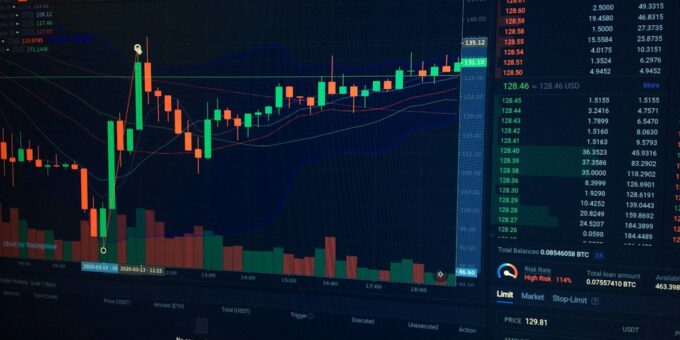
While many financial experts focus on the art of accumulating wealth, a significant portion of a person’s portfolio often vanishes due to preventable behaviors. These are not market crashes or economic downturns; they are the result of internal friction. In the world of investing, the most common enemy of success is not the market itself, but the investor’s own habits. This phenomenon, often referred to as the “trading trap,” can silently erode returns over decades, turning a potential fortune into a modest savings account.
The Hidden Tax on Your Portfolio
Every time an investor buys or sells a security, they are subject to a transaction. While this activity is necessary for strategy, excessive trading introduces a “hidden tax” that reduces net returns. The most visible cost is the explicit fee charged by a broker or platform. Whether it is a commission per trade, a spread in a no-commission environment, or a minimum fee for a mutual fund, these costs accumulate rapidly. If you trade a stock that costs $50 to execute, and you make ten trades a year, you are paying $500 in fees before you even see a profit. Over a twenty-year horizon, the compound effect of these fees can drag down your final balance by a significant percentage, sometimes exceeding 50% of the total return generated by the asset.
However, the more insidious cost is the implicit tax known as the “bid-ask spread.” This is the difference between the highest price a buyer is willing to pay and the lowest price a seller is willing to accept. When you buy a stock, you likely pay the “ask” price; when you sell, you receive the “bid” price. If you buy and sell the same stock within a short period, you are guaranteed to lose money equal to that spread, regardless of whether the stock price moves up or down. This is a classic example of a “whipsaw” trade, where the market moves slightly against you, and you are forced to exit at a loss.
The Behavioral Trap: Emotion Over Logic
While fees are a mathematical certainty, the behavioral drivers of trading are often more damaging. Human psychology is wired to react to short-term changes, a trait that is detrimental to long-term investing. When the market rises, investors often feel a surge of confidence and fear of missing out (FOMO), prompting them to chase hot stocks or buy at the peak of a bubble. Conversely, when the market dips, fear takes over, leading to panic selling at the bottom of a cycle.
This cycle of buying high and selling low is the antithesis of a wealth-building strategy. By timing the market, you are essentially betting against your own long-term perspective. Historical data consistently shows that a buy-and-hold strategy outperforms active trading strategies over long periods. The reason is simple: the market tends to rise over the long term, but it is impossible to predict short-term volatility. When you trade frequently, you are likely to be in the market during its downturns, missing the most significant gains that occur during the recovery phase.
Furthermore, trading often leads to a lack of discipline. When you are actively managing your portfolio, you are constantly checking prices, reading news, and reacting to headlines. This constant engagement can lead to decision fatigue and impulsive actions. You might sell a solid company because its stock price dropped 10% in a day, not realizing that the company’s fundamentals remain strong. This emotional reaction causes you to sell a good asset at a low price, only to buy it back later at a higher price when the market recovers. This is the definition of a bad trade, repeated over and over.
The Erosion of Compounding
One of the most powerful forces in personal finance is the magic of compounding. This is the process where your earnings generate their own earnings. If you invest $1,000 a year and earn a 7% return, that investment grows exponentially over time. However, frequent trading disrupts this engine. Every time you sell a portion of your holdings to take a profit, you reset the compounding clock. You are essentially starting over with a smaller principal, which takes longer to grow to the same level.
Consider the effect of taxes on trading. In many jurisdictions, capital gains are taxed when a profit is realized. If you hold an asset for more than a year, you may qualify for a lower long-term capital gains tax rate. If you trade frequently, you are locked into short-term capital gains rates, which are often higher and closer to your ordinary income tax bracket. This means that a significant portion of your profits is immediately taken by the government, leaving you with less capital to reinvest and compound. Over a lifetime, this difference in tax efficiency can amount to tens of thousands of dollars.
How to Break the Cycle
Breaking the habit of trading小編 requires a shift in mindset and a concrete plan. The first step is to recognize that doing nothing is often the best action. If you are not confident in your ability to predict market movements, or jmto beat the market, then a passive approach is superior. This involves setting up a diversified portfolio of low-cost index funds or ETFs that align with your long-term goals.
Once you have established a core portfolio, you can implement a strategy to avoid the temptation to trade. One effective method is to automate your contributions. By setting up a recurring transfer from your bank account to your investment account, you remove the need to make active decisions. You buy when the market is high and when it is low, dollar-cost averaging your way into a으로써 position. This removes the emotional element and ensures you are investing consistently over time.
Another strategy is to set strict rules for buying and selling. For example, you might decide to only sell a stock if the company’s fundamentals have deteriorated, such as a decline in earnings or revenue, rather than if the stock price has dropped. This focuses your decisions on the health of the business rather than the movement of the price. You can also set a rule to never sell a stock that has been held for less than a year, thereby avoiding short-term capital gains taxes and ensuring you are in the market for the long haul.
It is also helpful to limit your access to your investment accounts. If you constantly check your portfolio, you are more likely to make impulsive trades. Consider moving your account to a platform that does not provide real-time quotes or push notifications. This reduces the dopamine hit of seeing a stock rise and makes you less likely to act on a whim. Treat your investments like a business you own, but one that you do not need to micromanage every day. Focus on the long-term health of the company, not the daily stock price.
Understanding the Risks of Trading
It is important to acknowledge that trading is not inherently bad; it is a valid strategy for some individuals, particularly those with significant capital and a deep understanding of market mechanics. However, for the vast majority of retail investors, the risks outweigh the potential rewards. The risk of losing capital is real, and the risk of losing more than you put in is also present. This is known as leverage, and it can amplify losses just as it amplifies gains.
When you trade, you are often exposed to a higher level of risk than a passive investor. You are focusing on individual stocks, which can be volatile and unpredictable. If a company goes bankrupt, your investment is lost. If you are trading options or futures, you can lose your entire principal. The market is complex, and there are many factors that can influence a stock’s price, including earnings reports, interest rates, geopolitical events, and even social media rumors. Trying to predict all of these factors is a difficult task, even for professional investors.
Moreover, the time and energy required to trade effectively are significant. A successful trader needs to spend hours each day analyzing charts, reading news, and managing positions. This is a full-time job that most people do not have the time or resources to perform. For the average person, a part-time job or a career in a business is a more productive way to generate wealth than trying to trade stocks on the side.
The Path to Financial Freedom
Ultimately, the goal of investing should be to build wealth, not to make a quick buck. The most reliable path to financial freedom is through consistent contributions, disciplined saving, and a long-term investment strategy. By avoiding the trap of frequent trading, you allow your money to work for you over a long period, harnessing the power of compounding and٠benefiting from the general upward trend of the economy.
Focus on your financial goals, such as buying a home, funding a retirement, or supporting your children’s education. Align your investment strategy with these goals. If you are investing for retirement, you have a long time horizon, which means you can afford to take on more risk and stay invested through market downturns. If you are investing for a home down payment, you need a shorter time horizon, which means you should focus on safer, more liquid assets.
Remember that the market is a place where you can lose money, but it is also a place where you can build wealth. The key is to stay in the game. By avoiding the trap of frequent trading, you protect your capital from hidden fees and emotional mistakes, allowing your integración to grow steadily over time. This discipline is the foundation of a resilient financial future. Instead of chasing the next big thing, focus on building a robust portfolio that can withstand market volatility and deliver returns over the long term. Your future self will thank you for the patience and discipline you show today.
As you navigate your financial journey, consider the difference between working for money and making money work for you. The latter is the essence of investing. By adopting a long-term perspective and avoiding the pitfalls of active trading, you can create a financial foundation that is secure, resilient, and capable of supporting your dreams. The market will always be there, and so will your investments, provided you give them the time to grow. Trust the process, stay the course, and let your wealth compound quietly and steadily into the future.
