Choosing the right car tires is essential for safety, performance, and fuel efficiency. Many drivers overlook tire selection, yet it directly affects how your car handles, brakes, and rides. In this complete guide, you’ll learn how to choose the right car tires based on size, type, and driving needs.
Whether you’re upgrading your current tires or buying new ones for the first time, this guide will simplify the process and help you make a smart decision.
Why Choosing the Right Car Tires Matters
Your tires are the only point of contact between your car and the road. That’s why selecting the right car tires is critical. Good tires improve grip, reduce braking distance, and enhance fuel efficiency.
On the other hand, poor tire choices can lead to unsafe driving conditions, increased fuel consumption, and faster wear and tear.
Understanding Tire Size
Before you buy tires, you need to understand tire size. You can find it printed on the sidewall of your current tires. It usually looks something like this: 205/55R16.
Breaking Down Tire Size
Each part of the tire size has a specific meaning:
- 205 – Tire width in millimeters
- 55 – Aspect ratio (height to width percentage)
- R – Radial construction
- 16 – Wheel diameter in inches
Choosing the correct size ensures proper handling and safety. Always refer to your vehicle manual or manufacturer recommendations.
Types of Car Tires
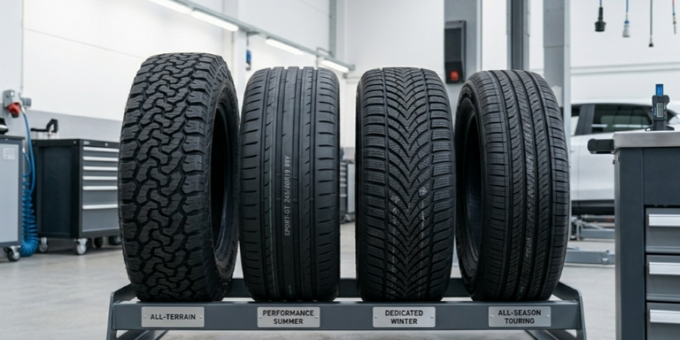
There are different types of tires designed for specific driving conditions. Understanding these types helps you choose the right car tires for your needs.
1. All-Season Tires
All-season tires are the most common choice. They offer balanced performance in wet and dry conditions. They are ideal for daily driving and moderate climates.
2. Summer Tires
Summer tires provide excellent grip and handling in warm weather. However, they are not suitable for cold or snowy conditions.
3. Winter Tires
Winter tires are designed for snow and ice. They provide better traction in cold temperatures. If you live in colder regions, these are a must-have.
4. Performance Tires
Performance tires are built for speed and enhanced handling. They are commonly used in sports cars and high-performance vehicles.
5. Off-Road Tires
Off-road tires are designed for rough terrain. They offer better grip on dirt, mud, and rocks.
How to Choose the Right Car Tires for Your Driving Style
Your driving habits play a big role in tire selection. Ask yourself the following questions:
- Do you drive mostly in the city or on highways?
- Do you face wet or slippery conditions often?
- Do you prefer comfort or performance?
If you commute daily, all-season tires are a safe choice. For high-speed driving, performance tires are better. For rough roads, off-road tires are ideal.
Tire Tread Patterns Explained
Tread patterns affect how your tires perform on different surfaces. Choosing the right pattern helps improve traction and safety.
Symmetrical Tread
These tires are quiet and long-lasting. They are ideal for everyday driving.
Asymmetrical Tread
These provide better handling and grip. They are great for performance vehicles.
Directional Tread
These tires are designed to channel water away. They are excellent for wet conditions.
Check Tire Ratings and Specifications
When choosing the right car tires, always check the ratings. Important factors include:
- Traction rating
- Temperature resistance
- Treadwear rating
These ratings help you understand how the tire will perform under different conditions.
Fuel Efficiency and Tire Choice
Did you know tires can impact fuel economy? Low rolling resistance tires help improve fuel efficiency. This means you save money in the long run.
Choosing the right car tires is not just about performance. It also affects your overall driving costs.
When Should You Replace Your Tires?
Knowing when to replace your tires is just as important as choosing them. Here are some signs:
- Tread depth is below 1.6 mm
- Visible cracks or bulges
- Uneven wear
- Frequent loss of air pressure
Regular inspection ensures your tires remain safe and effective.
Where to Buy Car Tires
You can buy tires from local shops or online stores. Compare prices and read reviews before making a purchase.
For trusted options, check platforms like
Tire Rack or
Michelin Official Website.
Also, explore our internal guide on
how to improve car fuel efficiency to maximize your tire performance.
Tips for Buying the Right Car Tires
Here are some quick tips to help you choose wisely:
- Always match tire size with your vehicle specifications
- Consider your driving environment
- Check warranty and lifespan
- Compare brands and reviews
- Don’t compromise on quality
Cost vs Value: What Should You Choose?
Cheap tires may save money upfront, but they wear out faster. Premium tires offer better durability and performance.
Think of tires as an investment in safety. Spending more now can save you money later.
Common Mistakes to Avoid
Many drivers make mistakes when choosing tires. Avoid these common errors:
- Ignoring tire size specifications
- Choosing based only on price
- Not considering weather conditions
- Skipping regular maintenance
Conclusion
Choosing the right car tires doesn’t have to be complicated. By understanding tire size, type, and your driving needs, you can make a confident decision.
Always prioritize safety, performance, and long-term value. With the right tires, your driving experience will be smoother, safer, and more efficient.
Interestingly, just like choosing between affiliate vs dropshipping in an online business, selecting the right tires requires research and smart decision-making. Whether you’re building passive income through affiliate marketing or starting a dropshipping business, the principle remains the same—choose wisely for long-term success.
